Premium Kratom - AKA Certified Quality
Red Maeng Da • Red Bali • Green Maeng Da - All lab-tested for purity
💰 EXCLUSIVE DISCOUNT
Code: JACK30 = 30% OFF
The legal landscape surrounding kratom reads like a complex novel with twists, turns, and evolving characters. One day it’s legal in a state, the next it faces potential bans, and then research emerges that shifts the entire conversation. How is kratom legal in some places while banned in others? The answer lies in a fascinating interplay of cultural acceptance, scientific research, regulatory frameworks, and political advocacy that continues to shape kratom’s legal status across the United States and globally.
• Kratom’s legal status varies dramatically by location – while federally legal in the U.S., individual states and municipalities create their own regulations • Cultural research and advocacy efforts significantly influence policy decisions – grassroots movements and scientific studies help shape legislative outcomes • The FDA’s stance creates ongoing regulatory tension – despite federal legality, FDA warnings and import alerts complicate the landscape • Economic factors and public health concerns drive legislative debates – states weigh potential benefits against safety considerations • International perspectives vary widely – from complete bans to regulated acceptance, global approaches differ substantially
Understanding Kratom’s Complex Legal Framework
How is kratom legal when so many substances face immediate federal restrictions? The answer begins with understanding that kratom (Mitragyna speciosa) exists in a unique regulatory gray area. Unlike substances scheduled under the Controlled Substances Act, kratom remains federally unscheduled, meaning it’s technically legal at the national level.
However, this federal non-scheduling doesn’t tell the complete story. The Food and Drug Administration (FDA) has consistently opposed kratom’s use, issuing warning letters to vendors and maintaining that kratom poses significant health risks. This creates a peculiar situation where a substance can be federally legal yet face intense regulatory scrutiny.
The State-by-State Patchwork
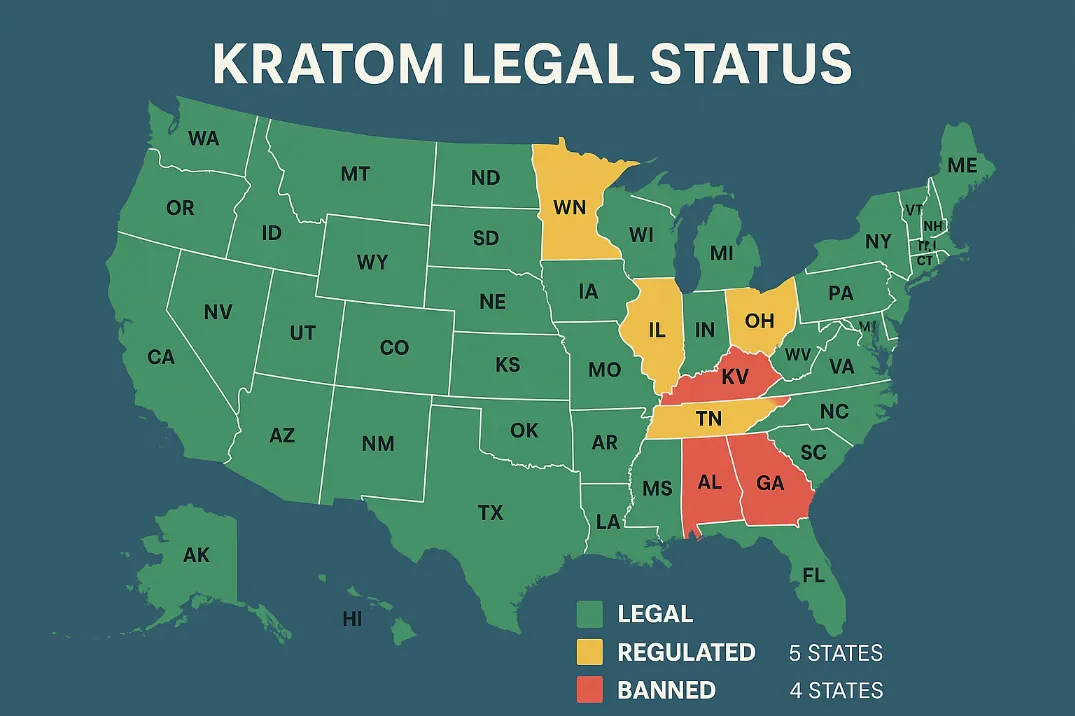
The most confusing aspect of kratom’s legal status emerges at the state and local levels. Currently, kratom faces restrictions or outright bans in several states, while others have embraced regulatory frameworks that legitimize its sale and use.
States with kratom bans include:
- Alabama 🚫
- Arkansas 🚫
- Indiana 🚫
- Rhode Island 🚫
- Vermont 🚫
- Wisconsin 🚫
States with age restrictions or regulations:
- Florida (21+ only) ⚖️
- Georgia (18+ only) ⚖️
- Nevada (18+ only) ⚖️
- Utah (regulated under Kratom Consumer Protection Act) ⚖️
Understanding kratom’s legal status in specific states requires ongoing attention, as legislation frequently changes. For instance, North Carolina’s kratom laws have evolved significantly over recent years.
Cultural Research Driving Legal Understanding
How is kratom legal despite regulatory opposition? Much credit goes to cultural research and advocacy organizations that have worked tirelessly to educate lawmakers and the public about kratom’s traditional uses and potential benefits.
The American Kratom Association’s Impact
The American Kratom Association (AKA) has emerged as the primary advocacy organization promoting kratom’s legal status. Through their efforts, several states have passed Kratom Consumer Protection Acts rather than outright bans. These acts typically:
- Establish age restrictions (usually 18 or 21+)
- Require product labeling and testing
- Prohibit adulterated products
- Create regulatory oversight mechanisms
Scientific Research Influence
Emerging scientific research has significantly impacted how kratom legal discussions unfold in legislative chambers. Studies examining kratom’s alkaloid profile, particularly mitragynine and 7-hydroxymitragynine, have provided lawmakers with data-driven perspectives rather than relying solely on anecdotal reports.
Recent research has explored:
- Pain management potential 🔬
- Addiction treatment applications 🔬
- Safety profiles and dosing guidelines 🔬
- Interaction studies with other substances 🔬
Regulatory Challenges and Opportunities
Jack Botanicals - America's Trusted Kratom Source
AKA certified quality featuring Red Maeng Da, Red Bali, and Green Maeng Da. Lab-tested purity you can trust.
🎁 NEW CUSTOMER SPECIAL
JACK30 = 30% OFF
The question of how is kratom legal becomes more complex when examining the various regulatory challenges facing the industry. Unlike traditional pharmaceuticals or even dietary supplements, kratom exists in a unique category that doesn’t fit neatly into existing regulatory frameworks.
FDA’s Ongoing Concerns
The FDA’s position on kratom creates ongoing tension in the legal landscape. Key FDA concerns include:
- Lack of approved medical uses
- Potential for abuse and dependence
- Quality control issues in the marketplace
- Contamination risks
Despite these concerns, the FDA has not moved to federally schedule kratom, partly due to significant public opposition and ongoing research efforts.
DEA’s Evolving Stance
The Drug Enforcement Administration (DEA) attempted to emergency schedule kratom in 2016 but withdrew the notice following unprecedented public outcry. This event marked a turning point in how kratom legal advocacy became organized and effective.
The DEA’s current position acknowledges kratom’s traditional use while maintaining concerns about:
- Increasing emergency department visits
- Potential for diversion
- Lack of medical supervision
Interactive Kratom Legal Status Tracker
Economic Factors Influencing Kratom Legality
How is kratom legal from an economic perspective? The answer involves significant financial considerations that influence legislative decisions. The kratom industry generates substantial revenue, creating economic incentives for states to regulate rather than ban the substance.
Industry Economic Impact
The kratom industry’s economic footprint includes:
- Direct sales revenue exceeding hundreds of millions annually
- Employment opportunities in retail, processing, and distribution
- Tax revenue for states that regulate rather than ban
- Tourism impact in areas with kratom-friendly policies
States considering kratom bans often weigh these economic benefits against potential public health costs. Finding quality kratom vendors has become easier as the industry matures and implements better quality control standards.
Small Business Considerations
Many kratom businesses operate as small, local enterprises. When examining how kratom legal status affects communities, these businesses often provide:
- Local employment opportunities 💼
- Community tax revenue 💰
- Consumer choice and access 🛒
- Educational resources about responsible use 📚
International Perspectives on Kratom Legality
Understanding how is kratom legal requires examining global approaches to kratom regulation. Different countries have adopted varying strategies based on their cultural contexts, medical systems, and regulatory philosophies.
Southeast Asian Approaches
Interestingly, several countries where kratom grows naturally have complex relationships with the plant:
Thailand recently legalized kratom after decades of prohibition, recognizing its traditional medicinal uses and economic potential.
Malaysia maintains strict controls but allows traditional use in certain contexts.
Indonesia permits cultivation and export while restricting domestic consumption.
Western Regulatory Models
United Kingdom has banned kratom under the Psychoactive Substances Act, taking a precautionary approach.
Canada allows kratom but restricts health claims and marketing.
Australia maintains strict prohibition with severe penalties.
The Role of Advocacy in Shaping Legal Outcomes

How is kratom legal despite significant regulatory pressure? The answer largely lies in effective advocacy efforts that have educated lawmakers, mobilized consumers, and provided alternative narratives to regulatory agencies.
Grassroots Movements
Kratom advocacy has been remarkably successful due to:
- Personal testimonials from users who credit kratom with improving their quality of life
- Scientific advocacy from researchers studying kratom’s potential benefits
- Economic arguments highlighting industry contributions
- Harm reduction perspectives comparing kratom to more dangerous alternatives
Educational Initiatives
Advocacy organizations have invested heavily in education, helping lawmakers understand:
- Traditional uses of kratom in Southeast Asia 🌿
- Differences between kratom and synthetic opioids 💊
- Quality control and testing protocols 🔬
- Responsible use guidelines 📋
For consumers seeking reliable information, understanding where to find kratom locally often involves connecting with advocacy-minded retailers who prioritize education and quality.
Quality Control and Consumer Protection
The question of how is kratom legal increasingly centers on quality control and consumer protection measures. States that choose regulation over prohibition typically implement comprehensive oversight systems.
Kratom Consumer Protection Acts
Several states have passed Kratom Consumer Protection Acts that establish:
Testing Requirements:
- Heavy metals screening ⚗️
- Microbial contamination testing 🦠
- Alkaloid content verification 📊
- Adulterant detection 🔍
Labeling Standards:
- Accurate ingredient lists 📝
- Dosage guidelines 📏
- Age restrictions warnings ⚠️
- Contact information for manufacturers 📞
Manufacturing Standards:
- Good Manufacturing Practice (GMP) compliance 🏭
- Facility inspections 👥
- Record keeping requirements 📁
- Product recall procedures 🔄
Industry Self-Regulation
Understanding how kratom legal status has evolved includes recognizing industry efforts toward self-regulation. Many vendors have voluntarily adopted:
- Third-party testing protocols
- Standardized labeling practices
- Age verification systems
- Educational customer outreach
Companies like Eclipse Kratom and EC Botanicals have built reputations based on quality control and transparency.
Public Health Considerations
How is kratom legal while maintaining public health priorities? This balance requires ongoing research, monitoring, and adaptive regulation based on emerging evidence.
Safety Research Developments
Recent studies have provided valuable insights into kratom’s safety profile:
- Addiction potential appears lower than traditional opioids
- Overdose risk is significantly reduced compared to synthetic alternatives
- Drug interactions require careful consideration and monitoring
- Long-term effects remain under investigation
Understanding how long kratom effects last helps users make informed decisions about timing and dosage.
Harm Reduction Frameworks
Many public health experts advocate for harm reduction approaches to kratom regulation:
- Education over prohibition 📚
- Quality control over elimination ✅
- Medical supervision when appropriate 👩⚕️
- Research support for evidence-based policy 🔬
Future Trends in Kratom Legislation
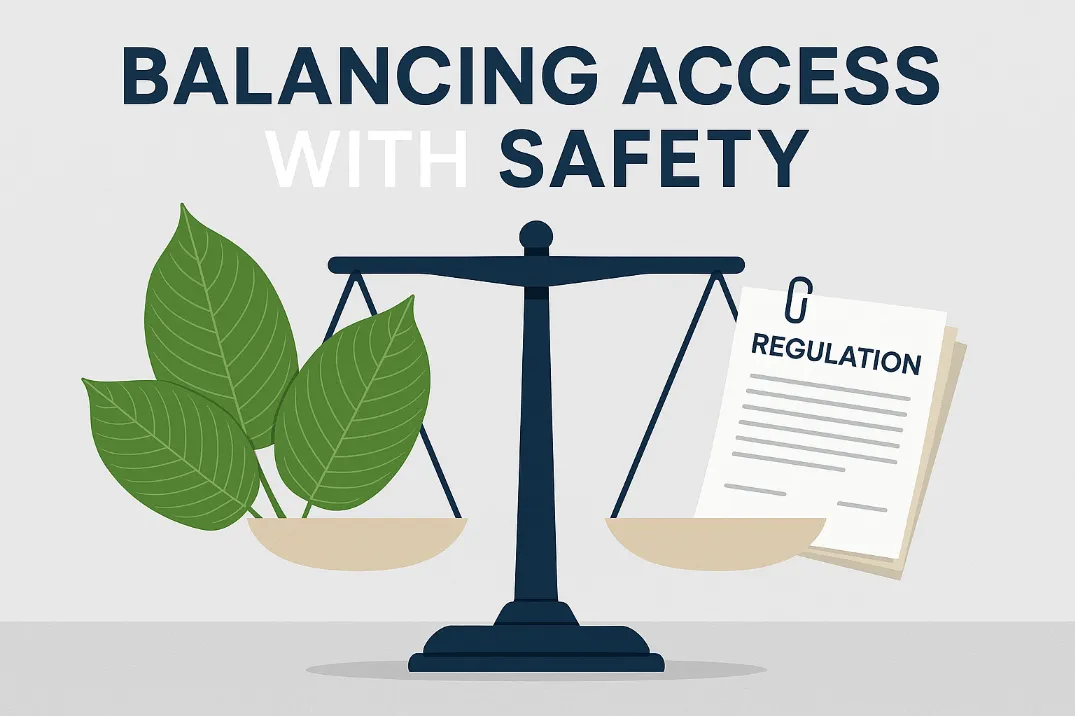
How is kratom legal status likely to evolve? Several trends suggest the regulatory landscape will continue shifting toward more nuanced approaches.
Emerging Legislative Patterns
Recent legislative trends indicate movement toward:
- Standardized testing requirements across states
- Age restrictions typically set at 18 or 21
- Medical oversight for therapeutic applications
- Industry licensing and registration systems
Research Integration
Future kratom legislation will likely incorporate:
Clinical Trial Results: As formal clinical trials progress, legislation may adapt to reflect evidence-based findings.
Pharmacokinetic Studies: Better understanding of what kratom shows up as on drug tests will inform workplace and legal policies.
Comparative Effectiveness Research: Studies comparing kratom to conventional treatments may influence medical acceptance.
Federal Considerations
The federal landscape around how kratom legal status may evolve includes potential:
- FDA guidance documents for industry compliance
- DEA scheduling decisions based on accumulating evidence
- Congressional action to clarify regulatory authority
- International treaty considerations affecting import/export
Consumer Education and Responsible Use
Understanding how is kratom legal requires recognizing the importance of consumer education in maintaining favorable regulatory environments. Educated consumers who use kratom responsibly help support continued legal access.
Dosage and Safety Guidelines
Responsible kratom use involves understanding:
Starting Dosages: New users should begin with small amounts to assess individual tolerance.
Strain Selection: Different kratom varieties like Green Kali kratom offer varying effects and potencies.
Timing Considerations: Understanding onset, duration, and frequency helps prevent overconsumption.
Drug Interactions: Consulting healthcare providers about potential interactions with medications.
Quality Source Selection
Choosing reputable vendors becomes crucial for safety and legal compliance. Consumers should prioritize:
- Third-party testing verification 🧪
- Transparent labeling practices 🏷️
- Responsive customer service 📞
- Educational resources and guidance 📖
Finding quality kratom online requires research and attention to vendor reputation and testing practices.
The Intersection of Research and Policy
How is kratom legal despite ongoing scientific uncertainty? The relationship between research and policy continues evolving as new studies provide insights into kratom’s effects, safety, and potential applications.
Current Research Priorities
Scientists are actively investigating:
Mechanism of Action: Understanding how kratom’s alkaloids interact with opioid receptors and other neurological pathways.
Therapeutic Potential: Exploring applications for pain management, addiction treatment, and mood disorders.
Safety Profiles: Establishing clear guidelines for safe use, contraindications, and risk factors.
Quality Standards: Developing standardized testing methods and purity requirements.
Policy Adaptation
Successful kratom regulation requires adaptive policies that:
- Incorporate new research findings as they emerge
- Balance access with safety concerns through proportionate responses
- Support continued research through regulatory flexibility
- Engage stakeholders including consumers, industry, and healthcare providers
Challenges and Opportunities Ahead
The future of how kratom legal status evolves depends on addressing several key challenges while capitalizing on emerging opportunities.
Regulatory Challenges
Inconsistent State Laws: The patchwork of state regulations creates confusion for consumers and businesses operating across state lines.
Federal Agency Disagreement: Tension between DEA, FDA, and other agencies creates regulatory uncertainty.
International Complications: Varying global approaches affect import/export and international research collaboration.
Quality Control Costs: Implementing comprehensive testing and regulation requires significant resources.
Opportunities for Progress
Scientific Advancement: Ongoing research provides opportunities to develop evidence-based policies.
Industry Maturation: As the kratom industry develops professional standards, regulatory acceptance may increase.
Medical Integration: Potential inclusion in integrative medicine approaches could provide new regulatory pathways.
International Cooperation: Collaborative approaches with traditional-use countries could inform best practices.
“The future of kratom regulation lies not in prohibition or unrestricted access, but in thoughtful, evidence-based policies that protect consumers while preserving access to this traditional botanical.” – American Kratom Association
Building Sustainable Legal Frameworks
Understanding how is kratom legal long-term requires examining what makes regulatory frameworks sustainable and effective.
Stakeholder Engagement
Successful kratom regulation involves:
Consumer Representatives: Ensuring user voices are heard in policy discussions.
Industry Leaders: Incorporating business perspectives on practical implementation.
Healthcare Providers: Including medical professionals in safety discussions.
Researchers: Integrating scientific expertise into policy development.
Regulatory Agencies: Coordinating between different levels of government oversight.
Adaptive Management
Effective kratom regulation requires:
- Regular policy review based on emerging evidence 🔄
- Flexibility to adjust regulations as understanding evolves 🔧
- Monitoring systems to track outcomes and identify issues 📊
- Stakeholder feedback mechanisms for continuous improvement 💬
Kratom Legal Status FAQ
Conclusion
The question of how is kratom legal reveals a complex interplay of cultural research, advocacy efforts, economic considerations, and evolving regulatory approaches. Kratom’s legal status continues to develop through the intersection of traditional use knowledge, emerging scientific research, and pragmatic policy-making that balances access with safety concerns.
The success of kratom advocacy demonstrates how grassroots movements, combined with scientific research and industry responsibility, can influence regulatory outcomes. States that have chosen regulation over prohibition have generally implemented comprehensive frameworks addressing quality control, age restrictions, and consumer protection while preserving access for adult users.
Jonathan is an enthusiast of traditional plant practices and cultural history. His work reflects a genuine fascination with how nature has shaped human stories throughout time. Jonathan believes that sharing knowledge about plants can build connections across cultures and generations. Through careful research and respectful exploration, he hopes to provide readers with thoughtful perspectives that celebrate heritage, encourage curiosity, and inspire a greater awareness of our relationship with nature.