
Premium Kratom - AKA Certified Quality
Red Maeng Da • Red Bali • Green Maeng Da - All lab-tested for purity
💰 EXCLUSIVE DISCOUNT
Code: JACK30 = 30% OFF
Picture this: you’ve been using kratom regularly to help manage daily discomfort and improve focus. Then suddenly, a new job or medical screening pops up, and panic sets in. You start scrolling through endless articles at 2 AM, asking the same urgent question — how long is kratom in your system and when will it completely clear out?
This scenario plays out thousands of times daily across America. Whether you’re facing employment screening, concerned about interactions with medications, or simply want to understand how your body processes this botanical substance, knowing kratom’s detection timeline is crucial for making informed decisions.
Kratom (Mitragyna speciosa) contains unique alkaloids that behave differently from traditional substances, creating confusion about detection windows and elimination timeframes. Unlike standard drugs with well-established clearance data, kratom’s relatively recent emergence in Western markets means many people lack accurate information about how long it remains detectable.
- Kratom typically clears from urine within 5-7 days for occasional users, but can be detected for up to 9 days in heavy users
- Blood tests can detect kratom for 24-48 hours after last use, making it the shortest detection window
- Hair follicle tests may show kratom use for up to 90 days, though these tests are rarely used for kratom specifically
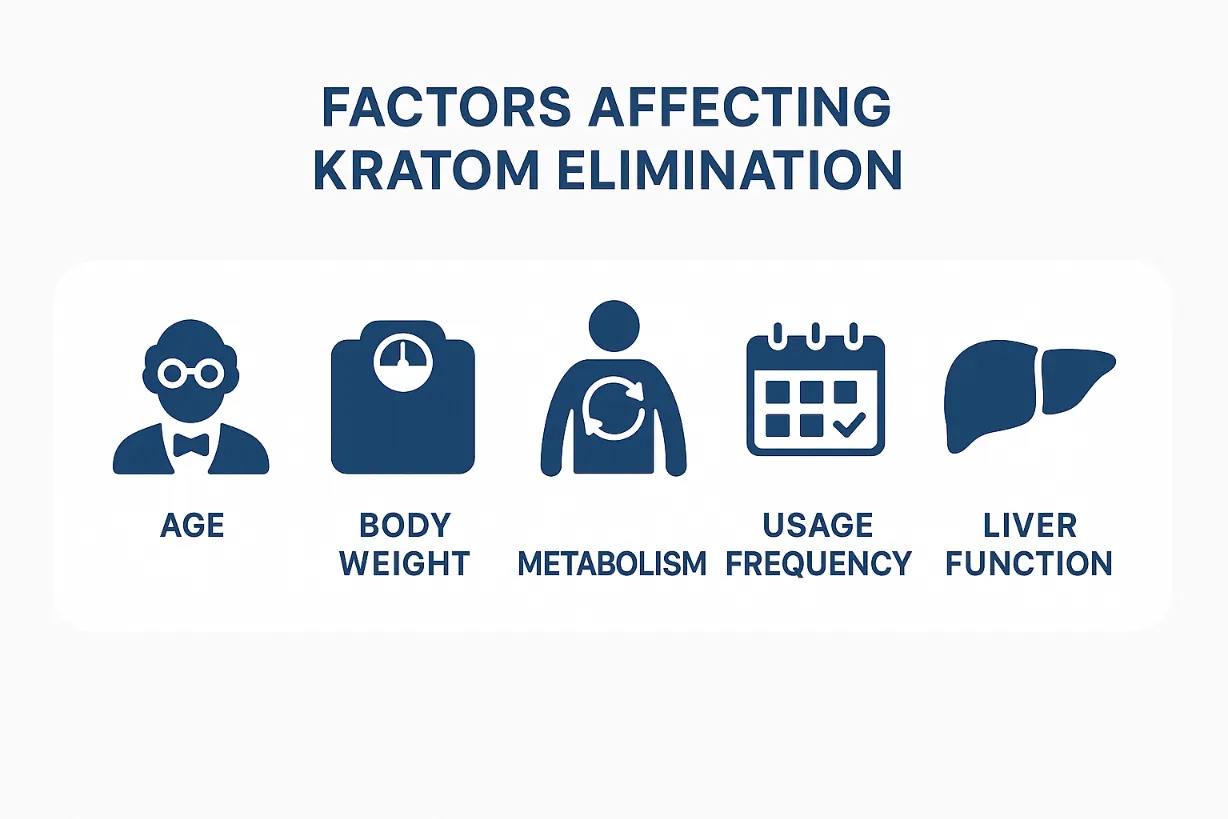
- Individual factors like metabolism, body weight, and usage patterns significantly impact elimination time
- Most standard drug tests don’t screen for kratom, but specialized tests can detect its primary alkaloids
Understanding Kratom’s Journey Through Your Body
When you consume kratom, whether as powder, capsules, or tea, your body begins a complex process of absorption, metabolism, and elimination. The primary active compounds—mitragynine and 7-hydroxymitragynine—follow a predictable pathway through your system.
Absorption Phase (0-2 Hours)
After ingestion, kratom alkaloids enter your bloodstream through the digestive system. Peak blood concentrations typically occur within 1-2 hours, explaining why effects begin relatively quickly. During this phase, the compounds distribute throughout your body, crossing the blood-brain barrier to produce their characteristic effects.
Metabolism Phase (2-24 Hours)
Your liver takes center stage during metabolism, breaking down kratom alkaloids into various metabolites. The cytochrome P450 enzyme system, particularly CYP3A4 and CYP2D6, processes these compounds. This metabolic process creates detectable byproducts that drug tests can identify even after the original alkaloids have been eliminated.
Elimination Phase (24+ Hours)
The final stage involves removing kratom metabolites from your body through urine, feces, and breath. This elimination phase determines how long kratom remains detectable and varies significantly between individuals.
How Long Is Kratom In Your System: Detection Windows by Test Type
Understanding detection windows helps you prepare for different testing scenarios. Each test type has unique characteristics and timeframes.
Urine Testing: The Most Common Method
Urine tests represent the gold standard for kratom detection due to their balance of accuracy, cost-effectiveness, and reasonable detection window.
Detection Timeline:
- Light users (1-3 times per week): 2-5 days
- Moderate users (4-6 times per week): 3-7 days
- Heavy users (daily use): 5-9 days
- Chronic users (multiple daily doses): 7-12 days
Case Study: Mark, a construction worker, used kratom twice weekly for three months. When his company announced random drug testing, he stopped immediately. His urine test came back negative after 4 days of abstinence, falling within the expected range for moderate use.
Blood Testing: Shortest Detection Window
Blood tests detect active kratom alkaloids rather than metabolites, providing the most accurate picture of recent use.
Detection Timeline:
- All users: 12-48 hours maximum
- Peak detection: 1-6 hours after use
- Practical detection: 24 hours for most individuals
Blood tests are rarely used for kratom screening due to their short detection window and higher cost, but they might be employed in medical emergencies or legal situations requiring precise timing.
Saliva Testing: Emerging Method
Saliva tests for kratom remain uncommon but may become more prevalent as testing technology advances.
Detection Timeline:
- Estimated window: 1-4 days
- Peak detection: 1-24 hours
- Limited research: Data still emerging
Hair Follicle Testing: Longest Detection Window
Hair tests can theoretically detect kratom for up to 90 days, but they’re rarely used due to cost and complexity.
Detection Timeline:
- Potential window: Up to 90 days
- Growth delay: 7-10 days before detection begins
- Practical use: Extremely rare for kratom
Factors That Influence How Long Kratom Stays In Your System
Jack Botanicals - America's Trusted Kratom Source
AKA certified quality featuring Red Maeng Da, Red Bali, and Green Maeng Da. Lab-tested purity you can trust.
🎁 NEW CUSTOMER SPECIAL
JACK30 = 30% OFF
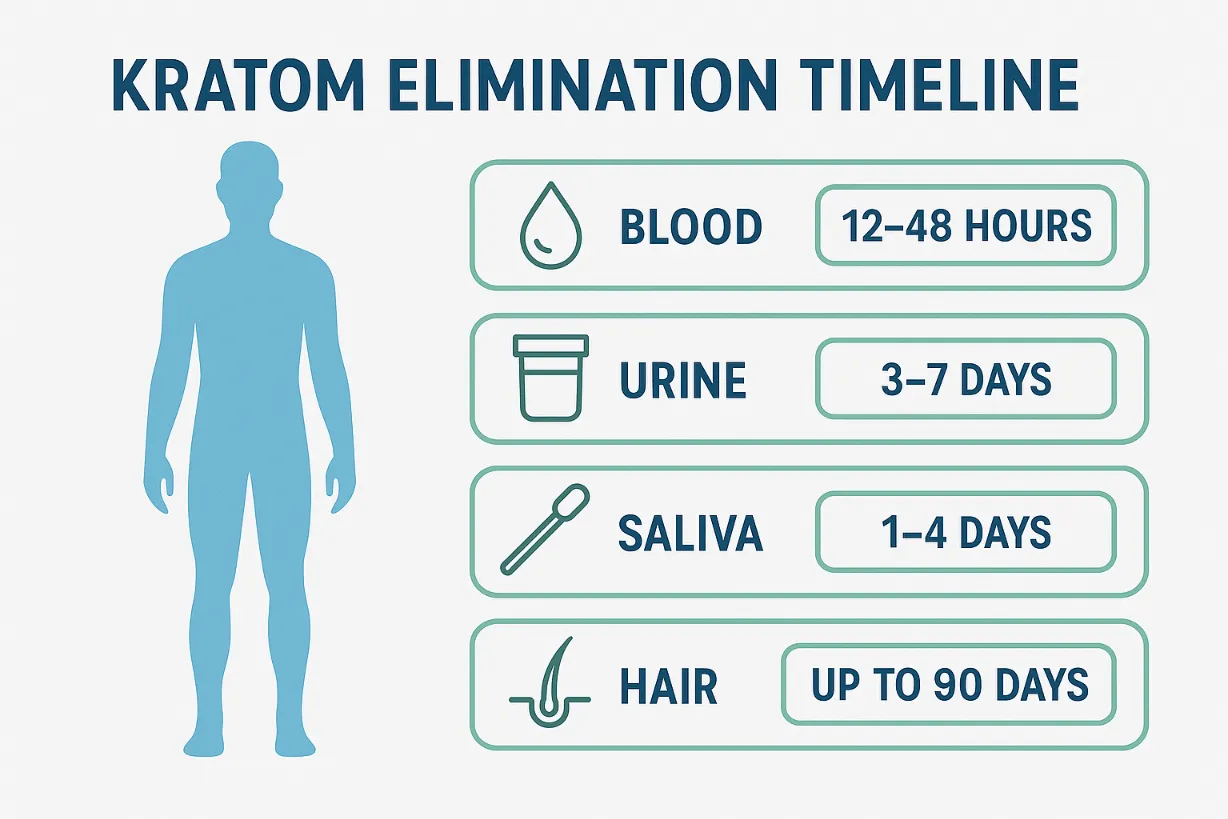
Multiple variables affect kratom elimination, making individual experiences highly variable. Understanding these factors helps predict your personal timeline.
Individual Biological Factors
Age and Metabolism 🧬
Younger individuals typically process kratom faster due to more efficient liver function and higher metabolic rates. People over 50 may experience 20-30% longer elimination times.
Body Weight and Composition
Kratom alkaloids have some fat solubility, meaning higher body fat percentages may slightly extend detection windows. However, this effect is less pronounced than with highly lipophilic substances like THC.
Liver Function
Since your liver processes kratom, any impairment significantly affects elimination time. Conditions like hepatitis, cirrhosis, or even temporary stress on the liver from alcohol or medications can extend detection windows.
Kidney Function
Your kidneys eliminate kratom metabolites through urine. Reduced kidney function slows this process, potentially doubling elimination time in severe cases.
Genetic Variations
Genetic differences in cytochrome P450 enzymes affect how quickly you metabolize kratom. Some people are “fast metabolizers” while others process substances more slowly due to genetic variations.
Usage Pattern Factors
Frequency of Use 📊
- Occasional use: Faster elimination
- Regular use: Moderate accumulation
- Daily use: Significant accumulation
- Multiple daily doses: Maximum accumulation
Dosage Amount
Higher doses take longer to eliminate. Someone taking 10+ grams daily will have extended detection windows compared to someone using 2-3 grams occasionally.
Duration of Use
Long-term users develop tissue accumulation, extending elimination time. Someone using kratom for years may take 2-3 times longer to clear it completely compared to a new user.
Kratom Strain and Quality
Different kratom strains contain varying alkaloid concentrations. High-potency products or extracts may extend detection windows due to higher alkaloid loads.
Lifestyle and Environmental Factors
Hydration Level 💧
Proper hydration supports kidney function and may slightly accelerate elimination. Dehydration can slow the process.
Physical Activity
Exercise boosts metabolism and circulation, potentially reducing elimination time by 10-20%. However, intense exercise immediately before testing might temporarily increase detectable metabolites in urine.
Diet and Nutrition
A healthy diet supporting liver function may optimize kratom metabolism. Foods rich in antioxidants and nutrients that support phase I and II liver detoxification could be beneficial.
Other Substances
Alcohol, medications, and other supplements can compete for the same metabolic pathways, potentially extending kratom elimination time.
The Science Behind Kratom Detection
Understanding the biochemistry of kratom detection helps explain why timelines vary and what tests actually measure.
Primary Alkaloids and Metabolites
Mitragynine represents 60-70% of kratom’s alkaloid content. It metabolizes into several compounds, including:
- 9-O-demethylmitragynine
- Mitragynine acid
- Various hydroxylated metabolites
7-Hydroxymitragynine, though present in smaller quantities (1-2%), is more potent and has different metabolic pathways, creating unique detectable compounds.
What Drug Tests Actually Detect
Standard drug tests don’t screen for kratom because:
- It’s not included in typical panels (5, 10, or 12-panel tests)
- Specialized testing is required
- Cost considerations make routine screening uncommon
Specialized Kratom Tests look for:
- Parent alkaloids (mitragynine, 7-hydroxymitragynine)
- Specific metabolites
- Alkaloid ratios indicating recent use
Detection Thresholds
Different tests have varying sensitivity levels:
- Research-grade tests: Can detect nanogram levels
- Commercial tests: Typically require higher concentrations
- Workplace tests: Usually set conservative thresholds
Kratom Detox Timeline: What to Expect
The elimination process follows a predictable pattern, though individual experiences vary.
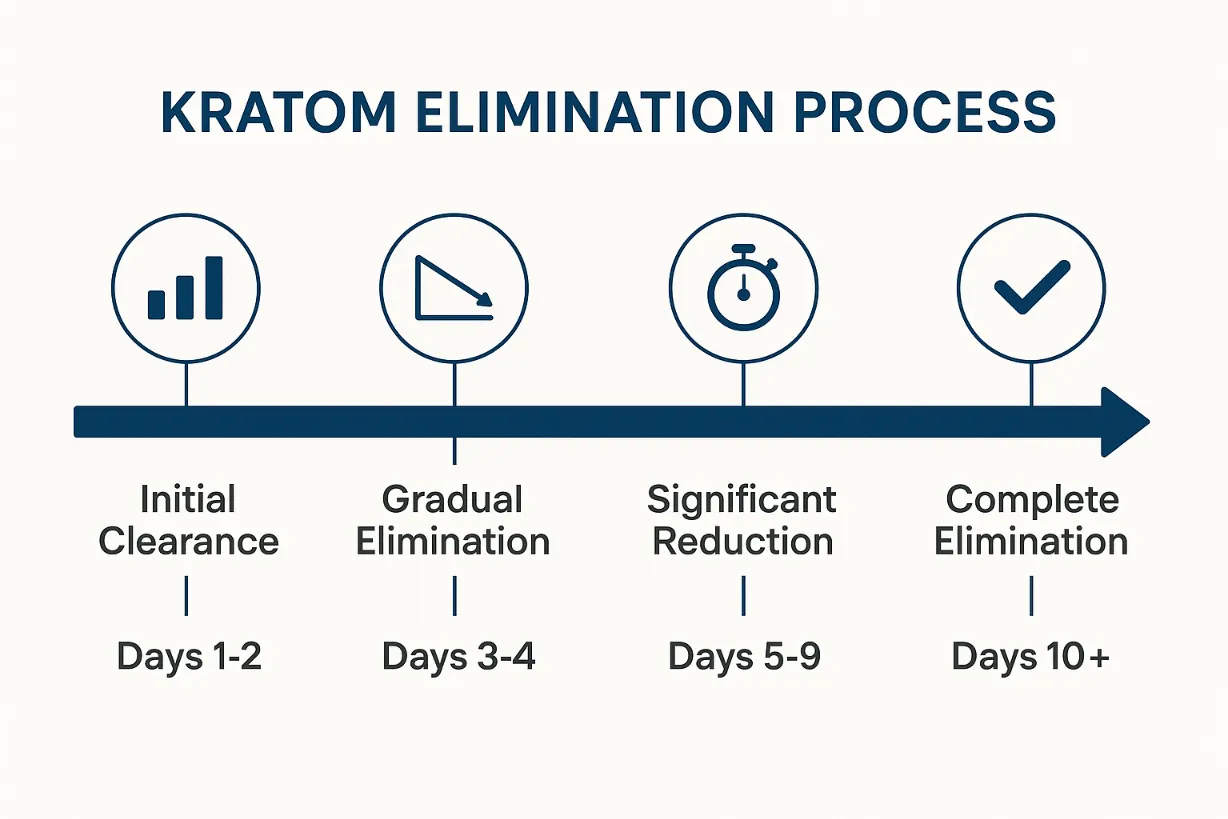
Days 1-2: Initial Clearance
Physical Changes:
- Active alkaloids clear from blood
- Initial withdrawal symptoms may begin
- Metabolism shifts to processing stored compounds
Detection Status:
- Blood tests become negative
- Urine tests remain positive
- Symptoms may include fatigue, mild anxiety
Days 3-5: Primary Elimination
Physical Changes:
- Major metabolite elimination occurs
- Most acute symptoms peak and begin resolving
- Energy levels start stabilizing
Detection Status:
- Light users may test negative
- Moderate to heavy users likely still positive
- Saliva tests typically negative
Days 6-9: Extended Clearance
Physical Changes:
- Residual metabolites clear
- Physical symptoms largely resolve
- Mental clarity returns
Detection Status:
- Most users test negative by day 7
- Heavy users may remain positive
- Hair tests still positive (if applicable)
Days 10+: Complete Elimination
Physical Changes:
- Full physiological baseline restored
- Any lingering effects resolve
- Normal energy and mood patterns return
Detection Status:
- Virtually all users test negative
- Only hair tests remain positive
- Complete system clearance achieved
Natural Ways to Support Kratom Elimination
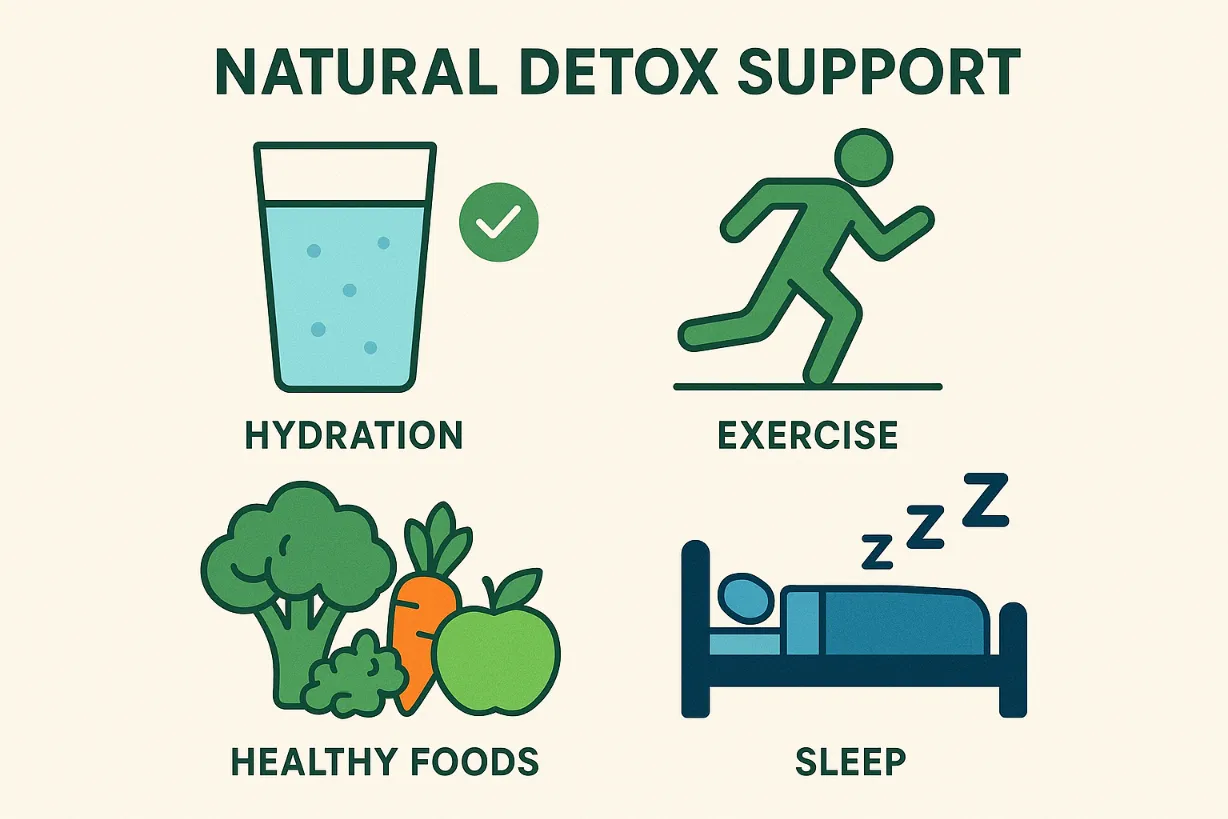
While no method can dramatically accelerate kratom clearance, certain approaches may provide modest benefits and support overall health during the elimination process.
Hydration and Kidney Support 💧
Optimal Water Intake:
- Aim for half your body weight in ounces daily
- Add electrolytes to prevent over-dilution
- Monitor urine color (pale yellow optimal)
Kidney-Supporting Foods:
- Cranberries and cranberry juice (unsweetened)
- Watermelon and other high-water fruits
- Leafy greens rich in potassium
Liver Function Optimization
Nutritional Support:
- Milk thistle (silymarin) for liver protection
- N-acetylcysteine (NAC) for glutathione production
- B-complex vitamins for metabolic support
Dietary Considerations:
- Reduce alcohol consumption completely
- Minimize processed foods and added sugars
- Increase cruciferous vegetables (broccoli, Brussels sprouts)
Metabolic Enhancement
Exercise Benefits:
- Light to moderate cardio boosts circulation
- Strength training supports overall metabolism
- Yoga and stretching aid lymphatic drainage
Sleep Optimization:
- 7-9 hours nightly for optimal recovery
- Consistent sleep schedule supports circadian rhythms
- Quality sleep enhances liver regeneration
Sauna and Heat Therapy
While kratom isn’t significantly eliminated through sweat, heat therapy may provide indirect benefits:
- Improved circulation
- Enhanced relaxation
- Support for natural detoxification processes
Drug Testing Scenarios and Kratom
Understanding when and how kratom testing occurs helps you navigate various situations effectively.
Employment Testing
Pre-Employment Screening:
Most employers don’t test for kratom because:
- Standard panels don’t include it
- Additional cost for specialized testing
- Legal status in most states
Random Workplace Testing:
- Usually focuses on federally controlled substances
- Kratom testing rare unless specifically requested
- Legal considerations vary by state
Post-Accident Testing:
- May include expanded panels
- Higher likelihood of kratom testing
- Legal implications if kratom contributed to incident
Medical Testing
Hospital Emergency Situations:
- Comprehensive toxicology screens may include kratom
- Medical necessity overrides privacy concerns
- Results used for treatment decisions
Pain Management Programs:
- Some programs specifically test for kratom
- May affect treatment options
- Important to disclose kratom use to providers
Legal and Probation Testing
Court-Ordered Testing:
- May specifically include kratom
- Varies by jurisdiction and case type
- Violation consequences can be severe
Probation Monitoring:
- Often includes comprehensive panels
- Regular testing schedule
- Legal status affects consequences
Myths and Misconceptions About Kratom Detection
Separating fact from fiction helps you make informed decisions based on accurate information.
Common Myths Debunked
Myth: “Kratom clears in 24 hours”
Reality: While blood levels drop quickly, urine detection typically lasts 3-7 days for most users.
Myth: “Drinking lots of water will flush kratom immediately”
Reality: Hydration supports elimination but can’t dramatically accelerate the process. Excessive water intake may dilute urine samples, potentially requiring retesting.
Myth: “Exercise will sweat out kratom”
Reality: Kratom isn’t significantly eliminated through sweat. Exercise may provide modest metabolic benefits but won’t dramatically reduce detection time.
Myth: “All drug tests check for kratom”
Reality: Standard drug panels don’t include kratom. Specialized testing is required and relatively uncommon.
Myth: “Kratom stays in your system for weeks”
Reality: For most users, kratom clears within a week. Extended detection typically only occurs with heavy, chronic use.
Dangerous Misconceptions
Detox Products and Cleanses:
Commercial “detox” products claiming to eliminate kratom quickly are largely ineffective and potentially dangerous. Your liver and kidneys handle detoxification naturally and efficiently.
Masking Agents:
Attempting to mask kratom use with other substances can be dangerous and may be illegal in testing situations. Focus on honest communication with healthcare providers and employers when appropriate.
🧪 Kratom Detection Timeline Calculator
Estimate how long kratom may be detectable in your system based on usage patterns
🎯 Estimated Detection Windows
Medical Considerations and Safety
Understanding how kratom interacts with medical care and other substances is crucial for safe use and informed healthcare decisions.
Interactions with Medications
Cytochrome P450 Interactions:
Kratom may interact with medications processed by the same liver enzymes, including:
- Blood thinners (warfarin)
- Seizure medications
- Some antidepressants
- Heart medications
Timing Considerations:
If you need to stop kratom before medical procedures:
- Inform healthcare providers about kratom use
- Allow adequate clearance time
- Consider potential withdrawal effects
- Plan for alternative pain management if needed
Emergency Medical Situations
Hospital Disclosure:
Always inform medical staff about kratom use during emergencies:
- Affects treatment decisions
- Prevents dangerous drug interactions
- Ensures accurate diagnosis
- Protected by patient confidentiality
Withdrawal Management:
Healthcare providers can help manage kratom withdrawal symptoms:
- Symptom assessment and monitoring
- Supportive care measures
- Alternative treatment options
- Referral to appropriate specialists
Legal Landscape and Employment
The legal status of kratom continues evolving, affecting employment and testing scenarios across different jurisdictions.
Current Legal Status
Federal Level:
- Not federally scheduled
- FDA concerns about safety
- Ongoing regulatory discussions
- DEA monitoring and evaluation
State Variations:
- Legal status varies significantly by state
- Some states have banned kratom entirely
- Others have age restrictions or regulations
- Local ordinances may apply
Employment Implications
Workplace Policies:
- Employers may prohibit kratom regardless of legal status
- Company drug policies often exceed legal requirements
- Safety-sensitive positions may have stricter rules
- Understanding where to obtain kratom legally becomes important
Testing Likelihood:
- Standard panels don't include kratom
- Specialized testing requires specific request
- Cost considerations limit routine screening
- Industry-specific requirements vary
Supporting Your Body During Elimination
While you can't dramatically speed kratom elimination, supporting your body's natural processes promotes overall health and may provide modest benefits.
Nutritional Support Strategy
Liver-Supporting Nutrients:
- Milk Thistle (Silymarin): 200-400mg daily
- N-Acetylcysteine (NAC): 600-1200mg daily
- Alpha Lipoic Acid: 300-600mg daily
- B-Complex Vitamins: Follow package directions
Kidney Function Support:
- Adequate Hydration: Half body weight in ounces daily
- Potassium-Rich Foods: Bananas, leafy greens, avocados
- Limit Sodium: Reduces kidney workload
- Avoid Excessive Protein: Temporarily reduce to normal levels
Lifestyle Optimization
Sleep Quality Enhancement:
- Maintain consistent sleep schedule
- Create optimal sleep environment
- Limit screen time before bed
- Consider natural sleep aids if needed
Stress Management:
- Practice meditation or mindfulness
- Engage in gentle exercise
- Maintain social connections
- Consider professional support if needed
Exercise Guidelines:
- Light to moderate intensity optimal
- Avoid extreme exercise immediately before testing
- Focus on activities you enjoy
- Listen to your body's needs
Frequently Asked Questions About Kratom Detection
Conclusion
Understanding how long kratom is in your system requires considering multiple factors including usage patterns, individual biology, and testing methods. While urine tests typically detect kratom for 3-7 days in most users, individual experiences can vary significantly based on frequency of use, duration of use, metabolism, and other personal factors.
David is an ethnobotany enthusiast who has spent years studying the role of plants in both ancient and modern communities. His curiosity has taken him from libraries filled with old manuscripts to landscapes where indigenous traditions still thrive. David enjoys connecting the dots between the past and present, showing how nature continues to inspire human life. His work emphasizes thoughtful exploration, cultural respect, and the joy of discovering connections in the natural world.