Premium Kratom - AKA Certified Quality
Red Maeng Da • Red Bali • Green Maeng Da - All lab-tested for purity
💰 EXCLUSIVE DISCOUNT
Code: JACK30 = 30% OFF
Growing your own kratom plants might seem like an impossible dream, but with the right knowledge and techniques, you can cultivate these remarkable tropical trees right in your own space. Whether you’re fascinated by the botanical aspects of Mitragyna speciosa or simply want to understand the plant better, learning how to grow kratom opens up a world of horticultural adventure.
Kratom cultivation has gained significant interest among plant enthusiasts who appreciate the challenge of growing exotic tropical species. While understanding what kratom smells like helps identify quality plants, actually growing your own kratom requires dedication, proper environmental conditions, and patience.
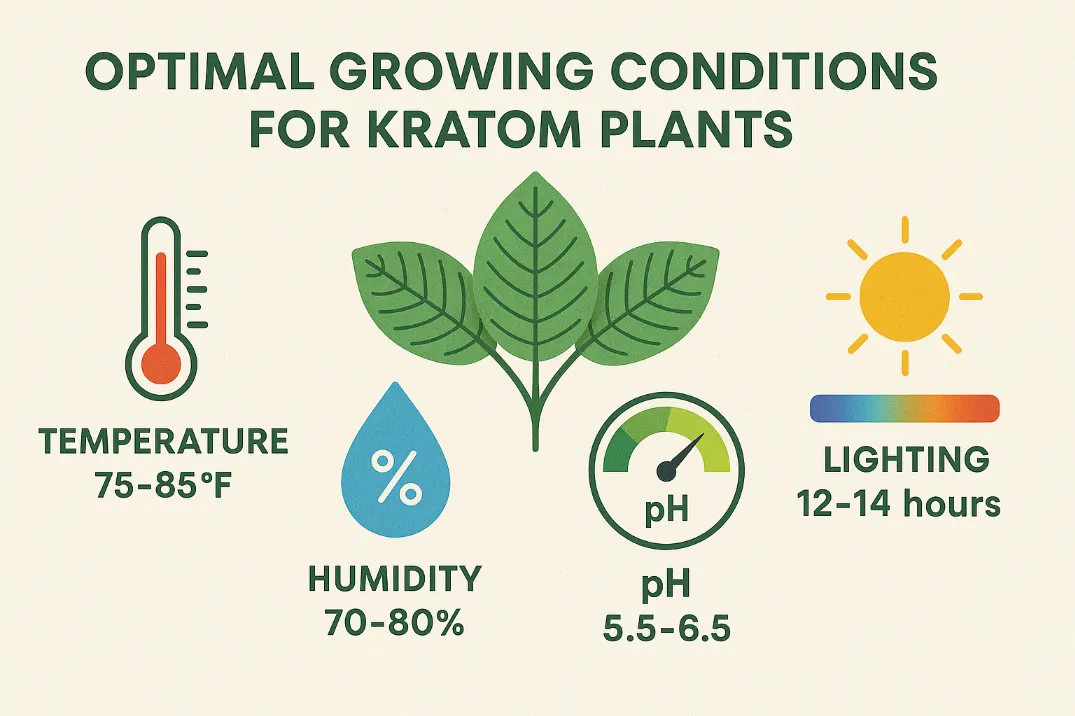
• Climate Control is Critical: Kratom plants require consistent temperatures between 75-85°F and humidity levels of 70-80% to thrive • Soil Quality Matters: Well-draining, slightly acidic soil (pH 5.5-6.5) rich in organic matter is essential for healthy root development • Patience is Required: Kratom trees grow slowly and can take 3-5 years to reach maturity for leaf harvesting • Indoor Growing is Possible: With proper lighting, humidity control, and space, kratom can be successfully grown indoors • Legal Considerations: Always verify local and state laws regarding kratom cultivation before starting your growing project
Understanding Kratom Plants and Their Origins
Mitragyna speciosa, commonly known as kratom, is a tropical evergreen tree native to Southeast Asia. These magnificent trees can reach heights of 80 feet in their natural habitat, thriving in the humid, warm climates of Thailand, Malaysia, Indonesia, and surrounding regions.
The kratom plant belongs to the coffee family (Rubiaceae) and shares several characteristics with its caffeine-producing cousins. Understanding these botanical relationships helps explain why learning how to grow kratom requires attention to similar environmental factors that coffee plants need.
Natural Growing Conditions
In their native environment, kratom trees enjoy:
- Consistent temperatures between 75-85°F (24-29°C)
- High humidity levels ranging from 70-80%
- Rich, well-draining soil with abundant organic matter
- Filtered sunlight through forest canopies
- Regular rainfall throughout the growing season
These conditions form the foundation for successful kratom cultivation, whether you’re growing indoors or in a greenhouse environment.
Essential Requirements for Growing Kratom
Climate and Environmental Needs
Successfully learning how to grow kratom starts with recreating the plant’s natural tropical environment. Kratom plants are extremely sensitive to temperature fluctuations and require consistent warmth year-round.
Temperature Requirements:
- Daytime: 75-85°F (24-29°C)
- Nighttime: 65-75°F (18-24°C)
- Never below 60°F (15°C)
Humidity Specifications:
- Optimal range: 70-80%
- Minimum acceptable: 60%
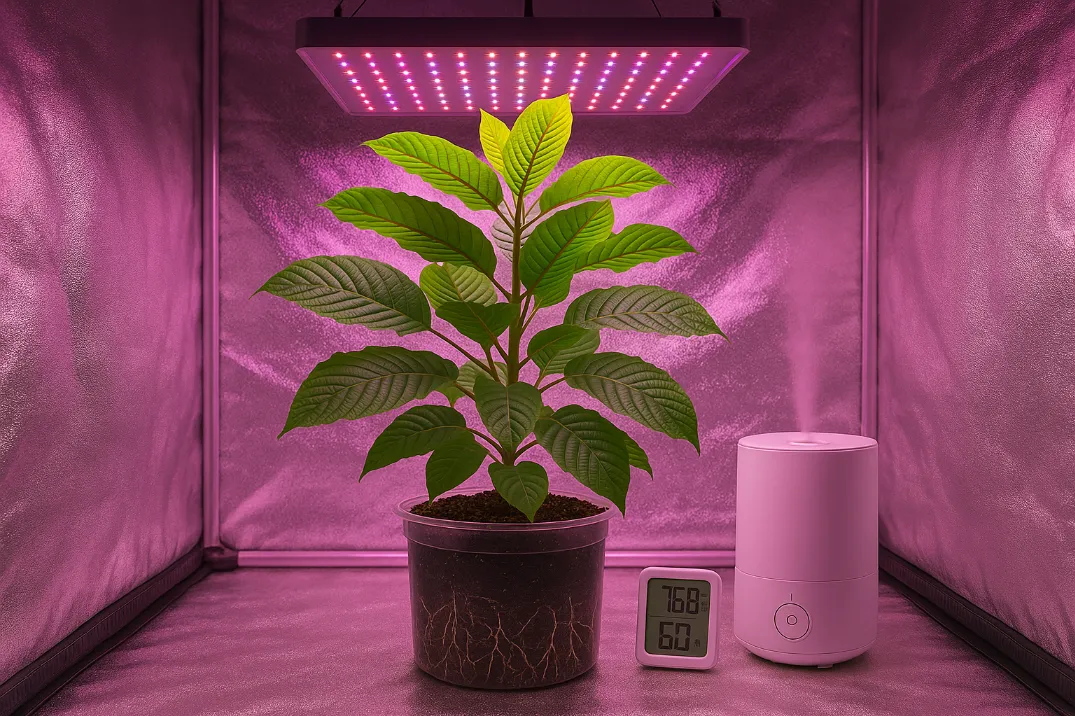
- Use humidifiers or humidity trays for indoor growing
Soil Composition and pH Levels
The foundation of healthy kratom growth lies in proper soil preparation. Kratom plants prefer slightly acidic soil that drains well while retaining adequate moisture.
Ideal Soil Characteristics:
Jack Botanicals - America's Trusted Kratom Source
AKA certified quality featuring Red Maeng Da, Red Bali, and Green Maeng Da. Lab-tested purity you can trust.
🎁 NEW CUSTOMER SPECIAL
JACK30 = 30% OFF
| Component | Percentage | Purpose |
|---|---|---|
| Peat moss | 30-40% | Moisture retention, acidity |
| Perlite | 20-30% | Drainage, aeration |
| Compost | 20-25% | Nutrients, organic matter |
| Coconut coir | 15-20% | Structure, water retention |
pH Requirements:
- Optimal pH: 5.5-6.5
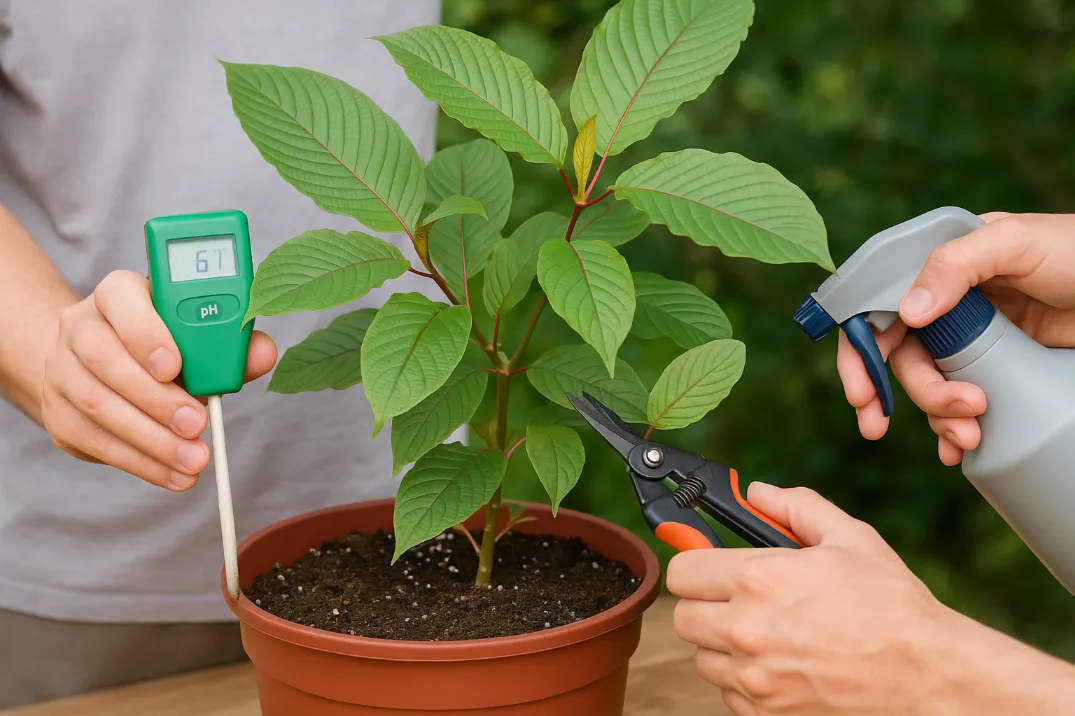
- Test soil regularly using pH meters
- Adjust with sulfur (to lower) or lime (to raise)
Lighting Considerations
Understanding proper lighting is crucial when learning how to grow kratom indoors. These plants naturally receive filtered sunlight through forest canopies, making them sensitive to direct, intense light.
Indoor Lighting Setup:
- LED grow lights: 400-600 watts for mature plants
- Light schedule: 12-14 hours daily
- Distance: 18-24 inches from plant tops
- Spectrum: Full spectrum with emphasis on blue and red wavelengths
Starting Your Kratom Growing Journey
Obtaining Kratom Seeds or Cuttings
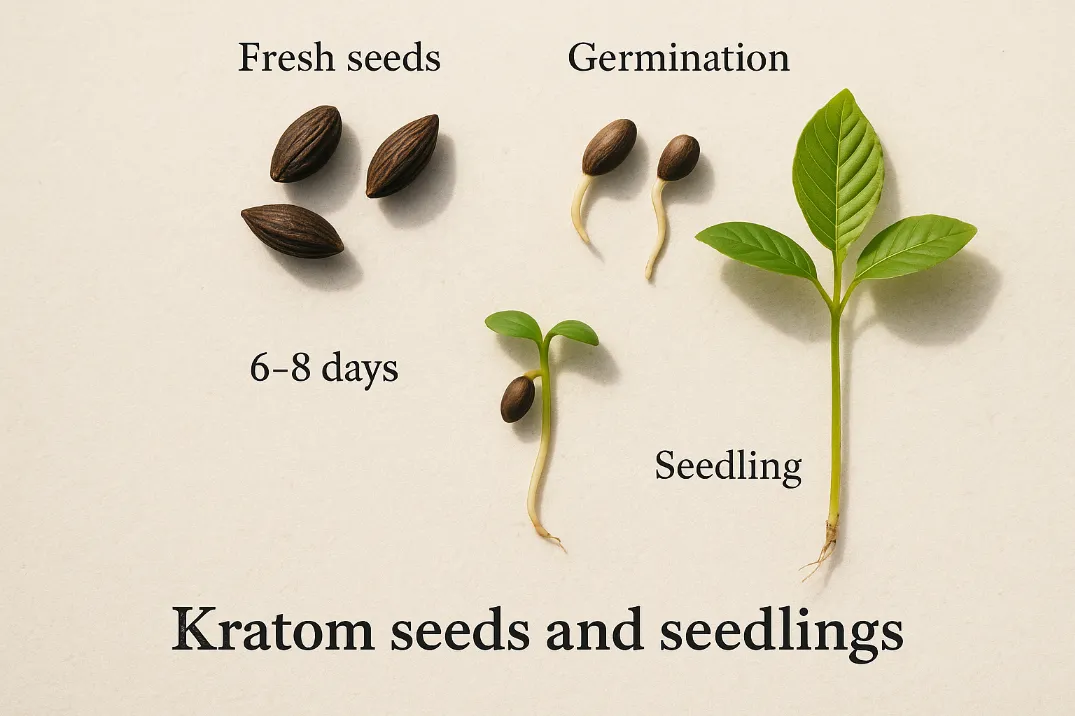
The first step in learning how to grow kratom involves acquiring viable plant material. Fresh kratom seeds have the highest germination rates, but they lose viability quickly after harvesting.
Seed Characteristics:
- 🌱 Viability: Best within 2-3 days of harvesting
- 🌱 Appearance: Small, brown, winged seeds
- 🌱 Germination rate: 10-30% under optimal conditions
- 🌱 Storage: Refrigerate in slightly moist peat moss
Alternative: Cuttings Many growers prefer starting with cuttings due to higher success rates:
- Take 6-8 inch cuttings from healthy mother plants
- Use rooting hormone to encourage root development
- Maintain high humidity during rooting process
- Expect root development in 4-6 weeks
Germination Process
Successfully germinating kratom seeds requires patience and precise environmental control. The process can take anywhere from 1-4 weeks under optimal conditions.
Step-by-Step Germination:
- Prepare seed starting mix: Combine equal parts peat moss and perlite
- Moisten substrate: Use distilled water to achieve damp consistency
- Plant seeds: Barely cover with growing medium
- Maintain temperature: Keep at 80-85°F consistently
- Provide humidity: Cover with plastic wrap or use humidity dome
- Monitor moisture: Keep soil damp but not waterlogged
- Provide gentle light: Use fluorescent or LED lights 12-16 hours daily
Indoor Kratom Cultivation Techniques
Container Selection and Setup
Choosing appropriate containers is essential when learning how to grow kratom indoors. These trees can grow quite large, so planning for future growth is important.
Container Guidelines:
| Plant Age | Container Size | Drainage Holes | Material |
|---|---|---|---|
| Seedling | 4-6 inches | 3-5 holes | Plastic/clay |
| Young plant | 8-12 inches | 5-7 holes | Plastic/ceramic |
| Mature plant | 20+ gallons | Multiple holes | Large pot/planter |
Setup Considerations:
- Ensure excellent drainage to prevent root rot
- Use saucers to protect surfaces
- Position near south-facing windows when possible
- Plan for plant mobility as they grow
Watering and Humidity Management
Proper watering techniques are crucial for kratom plant health. These tropical plants require consistent moisture without becoming waterlogged.
Watering Best Practices:
- Frequency: Water when top inch of soil feels dry
- Water quality: Use filtered or distilled water
- Temperature: Room temperature water prevents shock
- Method: Water slowly until drainage occurs
Humidity Control Methods:
- Use ultrasonic humidifiers for consistent moisture
- Create humidity trays with pebbles and water
- Group plants together to increase local humidity
- Monitor with digital hygrometers
Fertilization and Nutrient Management
Understanding how to grow kratom successfully requires knowledge of proper fertilization. These plants are light feeders but benefit from regular, diluted nutrients.
Fertilizer Schedule:
- Growing season: Every 2-3 weeks with diluted liquid fertilizer
- Winter months: Reduce to monthly feeding
- NPK ratio: 10-10-10 or similar balanced formula
- Organic options: Compost tea, fish emulsion, kelp meal
Signs of Nutrient Issues:
- 🍃 Yellow leaves: Often indicates nitrogen deficiency
- 🍃 Brown leaf edges: May signal potassium deficiency or over-fertilization
- 🍃 Stunted growth: Could indicate phosphorus deficiency
- 🍃 Pale coloration: Often suggests iron or magnesium deficiency
Outdoor Growing Considerations
Climate Zone Requirements
For those fortunate enough to live in suitable climates, outdoor kratom cultivation can be incredibly rewarding. Learning how to grow kratom outdoors requires understanding your local climate zones.
Suitable Growing Zones:
- USDA zones 10-12 for year-round outdoor growing
- Zones 8-9 with winter protection possible
- Greenhouse cultivation extends growing range significantly
Seasonal Considerations:
- Spring: Begin outdoor transition after last frost
- Summer: Peak growing season with regular watering
- Fall: Prepare for temperature drops
- Winter: Protect from cold or bring indoors
Site Selection and Preparation
Choosing the right location is fundamental when learning how to grow kratom outdoors. The ideal site provides protection from harsh elements while meeting the plant’s environmental needs.
Site Requirements:
- Partial shade: 4-6 hours of filtered sunlight
- Wind protection: Shield from strong winds
- Drainage: Avoid low-lying, waterlogged areas
- Space: Allow 15-20 feet between mature trees
🌿 Kratom Growing Environment Calculator
Common Challenges and Solutions
Pest Management
Kratom plants can attract various pests, especially when grown indoors. Understanding common issues helps maintain healthy plants.
Common Pests:
| Pest | Signs | Treatment |
|---|---|---|
| Spider mites | Fine webbing, stippled leaves | Increase humidity, neem oil |
| Aphids | Curled leaves, sticky honeydew | Insecticidal soap, beneficial insects |
| Scale insects | Brown bumps on stems/leaves | Rubbing alcohol, systemic insecticide |
| Fungus gnats | Flying insects, larvae in soil | Reduce watering, yellow sticky traps |
Prevention Strategies:
- Maintain proper humidity levels
- Ensure good air circulation
- Quarantine new plants
- Regular plant inspections
Disease Prevention
Fungal and bacterial diseases can quickly damage kratom plants, making prevention crucial for anyone learning how to grow kratom.
Common Diseases:
- Root rot: Caused by overwatering and poor drainage
- Leaf spot: Fungal infection from high humidity and poor air circulation
- Powdery mildew: White, powdery coating on leaves
- Bacterial blight: Dark, water-soaked spots on leaves
Prevention Methods:
- Avoid overwatering
- Provide adequate air circulation
- Remove affected plant material immediately
- Use sterilized tools for pruning
Growth Stages and Timeline
Seedling to Juvenile Stage
Understanding the growth timeline helps set realistic expectations when learning how to grow kratom. These plants are notably slow growers, requiring patience from cultivators.
Timeline Expectations:
| Stage | Duration | Height | Key Developments |
|---|---|---|---|
| Germination | 1-4 weeks | N/A | First leaves emerge |
| Seedling | 2-6 months | 2-6 inches | True leaves develop |
| Juvenile | 6 months-2 years | 6-24 inches | Stem woody development |
| Young adult | 2-4 years | 2-6 feet | Branch formation |
| Mature | 4+ years | 6+ feet | Leaf harvesting possible |
Pruning and Training Techniques
Proper pruning encourages healthy growth and manageable plant size, especially important for indoor cultivation.
Pruning Guidelines:
- Timing: Prune during active growing season
- Tools: Use sterilized, sharp pruning shears
- Technique: Make clean cuts just above leaf nodes
- Purpose: Encourage branching and control height
Training Methods:
- Topping: Remove growing tip to encourage lateral growth
- LST (Low Stress Training): Gently bend branches to increase light exposure
- Staking: Support tall, slender growth with plant stakes
Harvesting and Leaf Quality
When to Harvest
For those successfully learning how to grow kratom, understanding harvest timing is crucial for optimal leaf quality. Patience is essential, as premature harvesting yields inferior leaves.
Harvest Indicators:
- Plant minimum 3-4 years old
- Leaves fully mature and dark green
- Stems woody and well-established
- Active growing season for best potency
Harvesting Best Practices:
- Select only mature, unblemished leaves
- Harvest in early morning when alkaloid content peaks
- Use clean, sharp scissors or pruning shears
- Take no more than 25% of leaves at one time
Post-Harvest Processing
Understanding proper leaf processing completes the how to grow kratom education. Proper handling preserves the quality and potency of harvested leaves.
Processing Steps:
- Immediate cleaning: Remove any debris or damaged portions
- Gentle washing: Rinse with cool, clean water if necessary
- Drying preparation: Pat leaves dry with clean towels
- Drying method: Air dry in well-ventilated, shaded area
- Storage: Store properly dried leaves in airtight containers
It’s worth noting that different kratom strains, such as Green Borneo kratom or Yellow Borneo kratom, develop their unique characteristics through specific processing methods and environmental factors.
Legal Considerations and Compliance
Understanding Local Laws
Before beginning any kratom cultivation project, understanding legal requirements is essential. Laws regarding kratom vary significantly by location and change frequently.
Legal Research Steps:
- Check federal regulations in your country
- Verify state and local laws
- Understand cultivation vs. possession distinctions
- Consult legal professionals when uncertain
For example, those wondering about kratom legality in Utah or kratom laws in Nevada should research current regulations before starting cultivation projects.
Important Considerations:
- Laws can change without notice
- Cultivation may have different rules than possession
- Some areas allow personal cultivation but prohibit distribution
- Medical or research purposes may have different regulations
Advanced Growing Techniques
Hydroponic Kratom Cultivation
For experienced growers, hydroponic systems offer precise control over nutrients and growing conditions when learning how to grow kratom.
Hydroponic Advantages:
- Faster growth rates
- Better nutrient control
- Reduced pest issues
- Water efficiency
System Requirements:
- Deep water culture or ebb-and-flow systems work well
- pH monitoring and adjustment capabilities
- Proper aeration for root health
- Backup power for pump systems
Breeding and Genetics
Advanced cultivators may explore breeding programs to develop plants suited to specific growing conditions.
Breeding Considerations:
- Select parent plants with desirable traits
- Understand basic plant genetics
- Maintain detailed records of crosses
- Allow multiple generations for trait stabilization
Seasonal Care and Maintenance
Spring Preparation
Spring marks the beginning of the active growing season for kratom plants. This is an ideal time for repotting, fertilizing, and general plant maintenance.
Spring Care Checklist:
- 🌱 Inspect plants for winter damage
- 🌱 Repot if roots are crowded
- 🌱 Begin regular fertilization schedule
- 🌱 Increase watering frequency as growth resumes
- 🌱 Prune dead or damaged growth
Summer Growth Management
Summer provides optimal growing conditions but requires careful attention to watering and heat management.
Summer Care Focus:
- Monitor soil moisture closely
- Provide afternoon shade for outdoor plants
- Maintain consistent humidity levels
- Watch for pest activity increases
- Support rapid growth with adequate nutrition
Fall and Winter Preparation
As temperatures drop, kratom plants enter a slower growth phase requiring adjusted care routines.
Winter Preparation:
- Reduce watering frequency
- Decrease fertilization
- Ensure adequate indoor heating
- Monitor for pest issues in dry indoor air
- Consider supplemental lighting for shorter days
Building Your Kratom Growing Setup
Essential Equipment List
Successfully learning how to grow kratom requires investing in proper equipment. While initial costs may seem high, quality equipment ensures long-term success.
Basic Equipment Needs:
| Category | Essential Items | Optional Upgrades |
|---|---|---|
| Lighting | LED grow lights (400W+) | Full spectrum timers |
| Climate | Thermometer/hygrometer | Automated climate control |
| Watering | Watering can, moisture meter | Drip irrigation system |
| Soil | Quality potting mix, pH test kit | Soil thermometer |
| Support | Plant stakes, ties | Training wires, clips |
Budget Considerations
Growing kratom can range from budget-friendly to high-end setups depending on goals and available space.
Budget Ranges:
- Basic setup: $200-500 for small indoor growing
- Intermediate setup: $500-1,500 for multiple plants
- Advanced setup: $1,500+ for automated systems
Cost-Saving Tips:
- Start with smaller plants and upgrade equipment gradually
- Build DIY humidity chambers and light reflectors
- Purchase quality soil ingredients in bulk
- Join local growing communities for equipment sharing
Kratom Growing FAQ
Conclusion
Learning how to grow kratom successfully requires dedication, patience, and attention to detail. These remarkable tropical trees can thrive in controlled environments when provided with consistent warmth, high humidity, well-draining acidic soil, and proper lighting. While the journey from seed to mature plant takes several years, the experience of cultivating your own Mitragyna speciosa offers unique insights into this fascinating botanical specimen.
The key to successful kratom cultivation lies in recreating the plant’s natural Southeast Asian environment as closely as possible. This means maintaining temperatures between 75-85°F, humidity levels of 70-80%, and providing filtered light for 12-14 hours daily. Quality soil preparation with proper pH levels (5.5-6.5) forms the foundation for healthy root development and robust growth.
David is an ethnobotany enthusiast who has spent years studying the role of plants in both ancient and modern communities. His curiosity has taken him from libraries filled with old manuscripts to landscapes where indigenous traditions still thrive. David enjoys connecting the dots between the past and present, showing how nature continues to inspire human life. His work emphasizes thoughtful exploration, cultural respect, and the joy of discovering connections in the natural world.