Premium Kratom - AKA Certified Quality
Red Maeng Da • Red Bali • Green Maeng Da - All lab-tested for purity
💰 EXCLUSIVE DISCOUNT
Code: JACK30 = 30% OFF
Breaking free from kratom dependency doesn’t have to be an overwhelming journey filled with severe withdrawal symptoms and setbacks. While millions of people worldwide use kratom for various reasons, from pain management to mood enhancement, some users eventually find themselves wanting to reduce or eliminate their intake entirely. The key to success lies in understanding that how to wean off kratom safely requires patience, planning, and the right approach.
Unlike quitting cold turkey, which can lead to uncomfortable withdrawal symptoms and a higher likelihood of relapse, a gradual reduction strategy offers a more sustainable path forward. This comprehensive guide will walk you through evidence-based methods, practical timelines, and essential support strategies to help you successfully reduce your kratom intake while minimizing discomfort and maximizing your chances of long-term success.
• Gradual reduction is safer than stopping kratom abruptly, as it minimizes withdrawal symptoms and reduces the risk of relapse • Track your current usage patterns for at least one week before starting your tapering schedule to establish an accurate baseline • Reduce your dose by 10-25% weekly depending on your tolerance level and how your body responds to the changes • Natural supplements and lifestyle changes can significantly ease withdrawal symptoms during the weaning process • Professional medical support should be considered, especially for heavy users or those with underlying health conditions
Understanding Kratom Dependency and Why Gradual Reduction Works
Kratom (Mitragyna speciosa) contains alkaloids that interact with opioid receptors in the brain, particularly mitragynine and 7-hydroxymitragynine. When used regularly, the body develops tolerance and physical dependence, making sudden cessation challenging and potentially uncomfortable.
Why Tapering Is More Effective:
- Reduces withdrawal intensity by allowing your brain chemistry to gradually readjust
- Maintains daily functionality throughout the reduction process
- Decreases psychological stress associated with complete elimination
- Provides time to develop coping strategies for life without kratom
- Minimizes the risk of relapse due to overwhelming symptoms
Understanding what kratom is and how it affects your body is crucial before beginning your weaning journey. The alkaloids in kratom can create both physical and psychological dependence, which is why a structured approach to reduction is so important.
Step 1: Assess Your Current Kratom Usage Patterns
Before learning how to wean off kratom effectively, you need to establish a clear picture of your current consumption habits. This baseline assessment will inform your entire tapering strategy.
📊 Daily Usage Tracking
For one full week, record the following information:
Dosage Information:
- Exact amount consumed (in grams)
- Number of doses per day
- Timing of each dose
- Type/strain of kratom used
Situational Context:
- Reasons for each dose (pain, mood, habit, etc.)
- Emotional state before dosing
- Activities or triggers that prompt use
- Effectiveness of each dose
Physical Response:
- Duration of effects
- Side effects experienced
- Sleep quality
- Energy levels throughout the day
Creating Your Baseline Profile
Once you have a week’s worth of data, calculate:
- Daily average dose (total grams ÷ 7 days)
- Peak usage times (when you consume the most)
- Primary triggers for kratom use
- Minimum effective dose for your needs
This information becomes the foundation for your personalized tapering schedule.
Kratom Tapering Schedule Calculator
Create a personalized gradual reduction plan based on your current usage
Your Personalized Tapering Schedule
Step 2: Design Your Personalized Tapering Schedule
Jack Botanicals - America's Trusted Kratom Source
AKA certified quality featuring Red Maeng Da, Red Bali, and Green Maeng Da. Lab-tested purity you can trust.
🎁 NEW CUSTOMER SPECIAL
JACK30 = 30% OFF
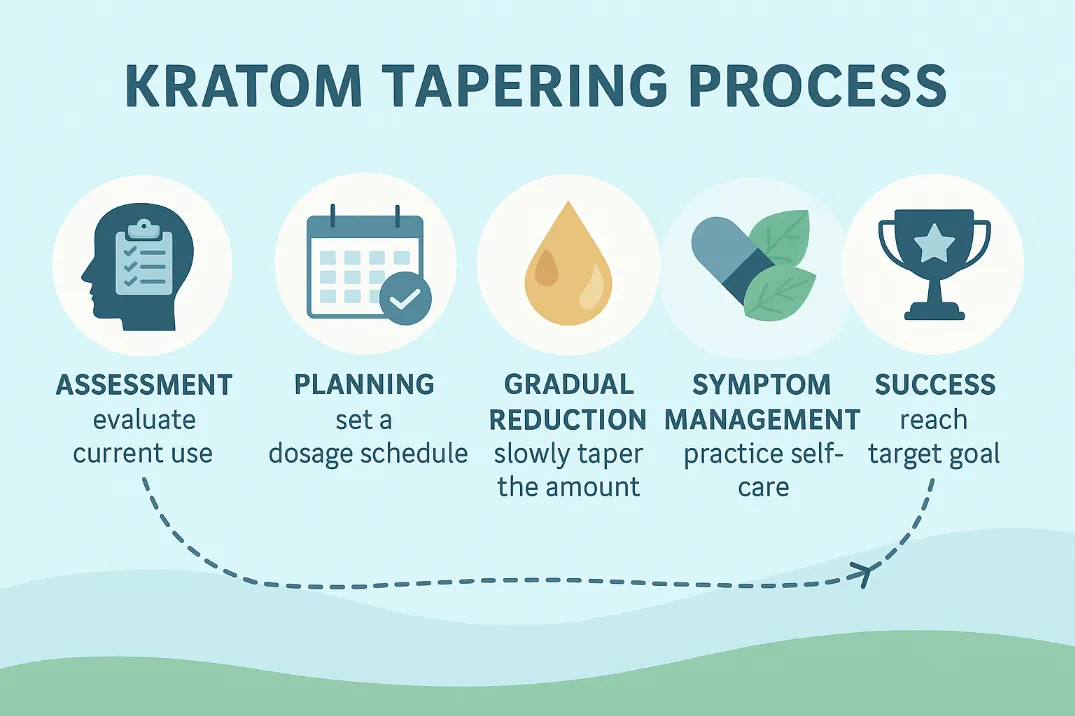
Creating an effective schedule for how to wean off kratom requires balancing speed with comfort. Moving too quickly can trigger severe withdrawal symptoms, while progressing too slowly may test your patience and motivation.
📅 Recommended Reduction Rates
| User Profile | Weekly Reduction | Timeline | Best For |
|---|---|---|---|
| Light users (<5g/day) | 25% | 4-6 weeks | Those with minimal dependence |
| Moderate users (5-15g/day) | 15% | 6-10 weeks | Most users seeking balance |
| Heavy users (>15g/day) | 10% | 10-15 weeks | Those prioritizing comfort |
Sample 8-Week Moderate Tapering Plan
Starting dose: 10 grams daily
- Week 1: 10.0g (baseline establishment)
- Week 2: 8.5g (15% reduction)
- Week 3: 7.2g (15% reduction)
- Week 4: 6.1g (15% reduction)
- Week 5: 5.2g (15% reduction)
- Week 6: 4.4g (15% reduction)
- Week 7: 3.7g (15% reduction)
- Week 8: 3.1g (15% reduction)
- Week 9: Discontinue completely
🔄 Flexible Adjustment Strategies
Your tapering schedule should be adaptable based on how your body responds:
If experiencing severe symptoms:
- Slow the reduction rate to 5-10%
- Maintain current dose for an extra week
- Consider splitting doses into smaller, more frequent amounts
If symptoms are manageable:
- Continue with planned reductions
- Consider slightly larger cuts if comfortable
- Stay consistent with timing
Remember that understanding how long kratom stays in your system can help you plan your dosing schedule and anticipate when withdrawal symptoms might peak.
Step 3: Implement Dose Reduction Techniques
Successfully learning how to wean off kratom involves more than just taking less. The method of reduction can significantly impact your comfort level and success rate.
🎯 Effective Reduction Methods
1. Mathematical Reduction
- Calculate exact percentages for consistent progress
- Use a digital scale for precise measurements
- Document every dose adjustment
2. Dose Frequency Reduction
- Gradually eliminate individual doses
- Start with the least necessary dose of the day
- Extend time between remaining doses
3. Strain Rotation Strategy
- Switch to milder strains during reduction
- Use less potent varieties as stepping stones
- Gradually reduce potency while maintaining routine
4. Liquid Preparation Method
- Mix daily kratom in water for easier division
- Gradually reduce liquid volume
- More precise than powder division
💡 Practical Implementation Tips
Morning Routine Adjustments:
- Start reductions with morning doses (often easiest)
- Maintain evening doses initially for sleep support
- Gradually shift reduction focus throughout the day
Measurement Precision:
- Invest in a quality digital scale (0.1g accuracy)
- Pre-measure daily doses to avoid temptation
- Store excess kratom away from easy access
Timing Modifications:
- Extend time between doses by 30-60 minutes weekly
- Use natural activities to distract during waiting periods
- Replace kratom timing with healthy habits
When sourcing kratom during your tapering period, knowing where to buy kratom in stores can help you maintain consistent quality and avoid potency variations that might disrupt your schedule.
Managing Withdrawal Symptoms During Tapering
Even with gradual reduction, some withdrawal symptoms are normal when learning how to wean off kratom. Understanding and preparing for these symptoms increases your chances of success.
🌡️ Common Withdrawal Symptoms Timeline
Days 1-3 of each reduction:
- Mild anxiety or restlessness
- Slight energy dips
- Minor sleep disruptions
- Mood fluctuations
Days 4-7 of each reduction:
- Symptoms typically stabilize
- Body adjusts to new dose level
- Energy and mood improve
- Sleep patterns normalize
🌿 Natural Symptom Management Strategies
For Anxiety and Restlessness:
- Magnesium supplementation (400-600mg daily)
- L-theanine (200-400mg as needed)
- Deep breathing exercises
- Progressive muscle relaxation
For Sleep Issues:
- Melatonin (3-5mg, 30 minutes before bed)
- Valerian root or chamomile tea
- Consistent sleep schedule
- Cool, dark sleeping environment
For Energy and Mood:
- B-complex vitamins for energy support
- Omega-3 fatty acids for mood stability
- Regular exercise (even light walking)
- Sunlight exposure in the morning
For Physical Discomfort:
- Epsom salt baths for muscle tension
- Turmeric for natural anti-inflammatory effects
- Gentle yoga or stretching
- Hot/cold therapy as needed
🍎 Nutritional Support During Tapering
Hydration Focus:
- Increase water intake to 8-10 glasses daily
- Add electrolytes if experiencing fatigue
- Limit caffeine and alcohol
- Herbal teas for comfort and routine
Nutrient-Dense Foods:
- Lean proteins for neurotransmitter support
- Complex carbohydrates for stable energy
- Fresh fruits and vegetables for vitamins
- Avoid processed foods and excess sugar
Understanding different kratom strains and their effects can help you choose milder options during your tapering process, potentially reducing withdrawal intensity.
Lifestyle Modifications to Support Your Kratom Reduction
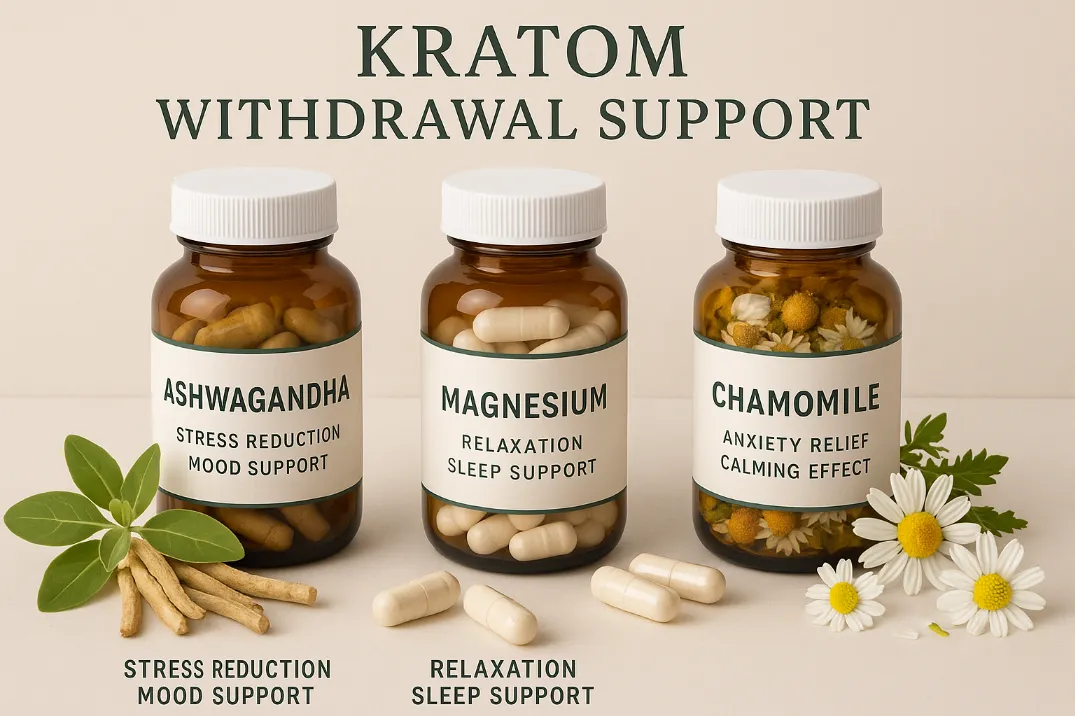
Learning how to wean off kratom successfully extends beyond dose reduction. Comprehensive lifestyle changes create a supportive environment for your recovery journey.
🏃♂️ Exercise and Physical Activity
Low-Impact Options for Beginners:
- 20-30 minute daily walks
- Gentle yoga or tai chi
- Swimming or water exercises
- Stretching routines
Progressive Exercise Benefits:
- Natural endorphin production to replace kratom’s mood effects
- Improved sleep quality and deeper rest
- Stress reduction through physical outlet
- Enhanced energy levels throughout the day
Exercise Timing Strategy:
- Morning activities to boost energy naturally
- Afternoon movement to combat energy dips
- Evening gentle exercise for better sleep
- Weekend longer activities for routine building
🧘♀️ Stress Management and Mental Health
Mindfulness Practices:
- Daily meditation (start with 5-10 minutes)
- Breathing exercises during cravings
- Mindful eating to improve nutrition
- Body scan techniques for physical awareness
Cognitive Strategies:
- Journaling to track progress and emotions
- Positive self-talk to counter negative thoughts
- Goal visualization for motivation
- Gratitude practices for perspective
Social Support Systems:
- Connect with family and friends about your goals
- Join online support communities
- Consider professional counseling
- Find accountability partners
🏠 Environmental Modifications
Remove Triggers:
- Store remaining kratom in inconvenient locations
- Change routines associated with kratom use
- Modify spaces where you typically consumed kratom
- Replace kratom-related items with healthy alternatives
Create Positive Associations:
- Designate specific areas for healthy activities
- Use aromatherapy or calming scents
- Improve lighting and air quality
- Add plants or natural elements to your space
It’s worth noting that kratom’s legal status varies by location, and understanding local regulations can help inform your decision-making process during tapering.
Professional Support and Medical Considerations
While many people successfully learn how to wean off kratom independently, professional support can significantly improve outcomes, especially for heavy users or those with complex health situations.
🏥 When to Seek Medical Help
Immediate Medical Attention Required:
- Severe depression or suicidal thoughts
- Extreme anxiety or panic attacks
- Persistent insomnia lasting more than a week
- Significant blood pressure changes
- Severe gastrointestinal issues
Consider Professional Support If:
- Using more than 20 grams daily
- Multiple previous failed attempts
- Concurrent use of other substances
- Underlying mental health conditions
- Chronic pain requiring management
👨⚕️ Types of Professional Support
Primary Care Physicians:
- Overall health monitoring during tapering
- Prescription medications for symptom management
- Referrals to specialists when needed
- Regular check-ins and progress tracking
Addiction Specialists:
- Specialized knowledge of substance tapering
- Advanced medication options
- Comprehensive treatment planning
- Experience with kratom-specific issues
Mental Health Professionals:
- Counseling for underlying issues
- Coping strategy development
- Stress management techniques
- Long-term mental health support
Naturopathic Doctors:
- Natural supplement recommendations
- Holistic health approaches
- Nutritional guidance
- Alternative therapy options
💊 Medical Interventions That May Help
Symptom-Specific Medications:
- Clonidine for anxiety and blood pressure
- Gabapentin for restless leg syndrome
- Trazodone for sleep issues
- Imodium for gastrointestinal symptoms
Natural Alternatives:
- Ashwagandha for stress and anxiety
- Rhodiola for energy and mood
- GABA for relaxation and sleep
- 5-HTP for mood support
Remember that if you’re using kratom for pain management, exploring the best kratom alternatives for pain with medical guidance can help ensure you maintain adequate pain control during tapering.
Troubleshooting Common Challenges

Even with the best planning, learning how to wean off kratom presents unique challenges. Being prepared for common obstacles increases your resilience and success probability.
⚠️ Plateau Periods
What They Are:
- Weeks where reduction feels impossible
- Increased symptoms despite no dose changes
- Loss of motivation or progress
- Feeling “stuck” at current dose level
How to Overcome:
- Maintain current dose for an extra week
- Focus on lifestyle improvements rather than dose reduction
- Reassess your reduction percentage (consider smaller cuts)
- Seek additional support from friends, family, or professionals
🔄 Temporary Increases
When They Might Be Necessary:
- Severe withdrawal symptoms affecting daily function
- Major life stressors requiring temporary stability
- Health issues complicating the tapering process
- Mental health crises needing immediate attention
How to Handle Them:
- Increase minimally (just enough to function)
- Set a specific timeline for returning to reduction
- Address underlying issues causing the need for increase
- Don’t view it as failure but as part of the process
😤 Intense Cravings
Immediate Coping Strategies:
- Change environment immediately
- Engage in physical activity to redirect energy
- Call a supportive friend or family member
- Practice breathing exercises for 5-10 minutes
- Review your reasons for wanting to quit kratom
Long-term Craving Management:
- Identify patterns in when cravings occur
- Develop specific responses for high-risk situations
- Build alternative reward systems for stress relief
- Strengthen social support networks for accountability
🌊 Emotional Roller Coasters
Normal Emotional Fluctuations:
- Mood swings during the first few days of each reduction
- Temporary anxiety or depression
- Irritability or frustration
- Emotional sensitivity
When to Seek Help:
- Persistent depression lasting more than two weeks
- Anxiety interfering with daily activities
- Thoughts of self-harm
- Inability to function at work or home
Understanding proper kratom dosing can help you make more precise reductions and avoid accidentally taking too much or too little during your tapering process.
Frequently Asked Questions About Kratom Weaning
Conclusion
Learning how to wean off kratom successfully is entirely achievable with the right approach, patience, and support. The journey requires commitment, but the benefits of breaking free from dependency—improved physical health, mental clarity, financial savings, and personal empowerment—make the effort worthwhile.
David is an ethnobotany enthusiast who has spent years studying the role of plants in both ancient and modern communities. His curiosity has taken him from libraries filled with old manuscripts to landscapes where indigenous traditions still thrive. David enjoys connecting the dots between the past and present, showing how nature continues to inspire human life. His work emphasizes thoughtful exploration, cultural respect, and the joy of discovering connections in the natural world.