Premium Kratom - AKA Certified Quality
Red Maeng Da • Red Bali • Green Maeng Da - All lab-tested for purity
💰 EXCLUSIVE DISCOUNT
Code: JACK30 = 30% OFF
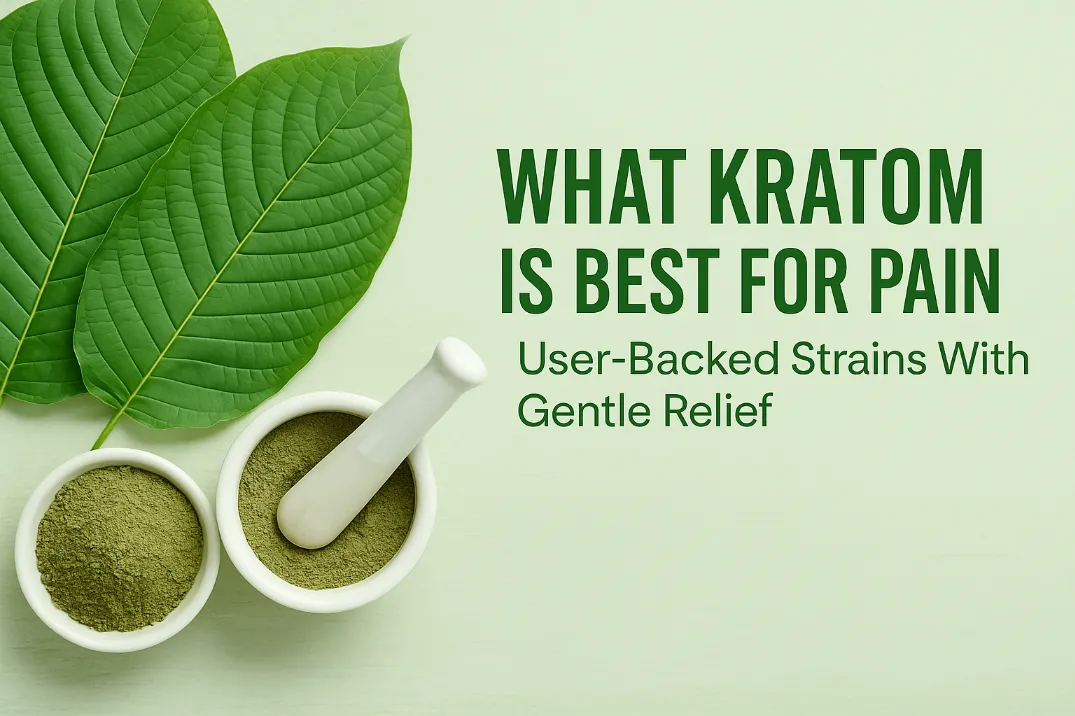
Living with chronic pain can feel like carrying an invisible weight that never lifts. For millions of people seeking natural alternatives to traditional pain management, kratom has emerged as a botanical solution that offers hope where other options have fallen short. This ancient Southeast Asian leaf has captured attention not just for its pain-relieving properties, but for providing gentle relief without the harsh side effects often associated with conventional medications.
• Red vein kratom strains are consistently rated by users as the most effective for pain relief due to their higher alkaloid content • Dosage matters significantly – lower doses (2-4 grams) provide mild relief while moderate doses (4-7 grams) offer stronger pain management • Individual response varies – what works best depends on pain type, body chemistry, and tolerance levels • Quality sourcing is crucial – reputable vendors ensure consistent potency and purity for reliable pain relief • Legal considerations vary by location, making it essential to verify local regulations before purchasing
Understanding what kratom is best for pain requires exploring the science behind different strains, user experiences, and practical application methods. This comprehensive guide examines the most effective kratom varieties for pain management, backed by user testimonials and scientific insights.
Understanding Kratom’s Pain-Relief Mechanisms
Kratom (Mitragyna speciosa) contains over 40 alkaloids, with mitragynine and 7-hydroxymitragynine being the primary compounds responsible for pain relief. These alkaloids interact with opioid receptors in the brain, providing analgesic effects without the respiratory depression associated with traditional opioids.
The pain-relieving properties of kratom work through multiple pathways:
- Mu-opioid receptor activation for direct pain relief
- Anti-inflammatory effects that reduce tissue inflammation
- Muscle relaxation properties that ease tension-related pain
- Mood enhancement that helps manage pain-related depression
Different kratom strains contain varying concentrations of these alkaloids, making some varieties more effective for pain management than others. When considering what kratom is best for pain, understanding these mechanisms helps explain why certain strains consistently receive higher user ratings.
Top Red Vein Strains for Pain Relief
Red Bali Kratom 🌿
Red Bali consistently ranks as the top choice when users ask what kratom is best for pain. This Indonesian strain offers:
- Moderate to strong pain relief lasting 4-6 hours
- Relaxing effects that promote better sleep
- Affordable pricing making it accessible for daily use
- Well-balanced alkaloid profile suitable for various pain types
User testimonials frequently highlight Red Bali’s effectiveness for:
- Chronic back pain
- Arthritis discomfort
- Fibromyalgia symptoms
- Post-workout muscle soreness
Red Maeng Da Kratom ⚡
Despite its reputation for energy, Red Maeng Da provides excellent pain relief with added mental clarity:
- Potent analgesic effects from high alkaloid content
- Sustained energy without sedation
- Enhanced focus while managing pain
- Premium quality with consistent effects
This strain works particularly well for individuals who need pain relief during work hours or daily activities.
Red Borneo Kratom 🌙
Red Borneo offers the most sedating pain relief, making it ideal for evening use:
- Deep relaxation that melts away tension
- Sleep enhancement for pain-disrupted rest
- Long-lasting effects up to 8 hours
- Gentle onset that gradually builds relief
Users with severe chronic pain often prefer Red Borneo for nighttime management.
Red Thai Kratom 🇹🇭
Red Thai provides balanced pain relief with mood-lifting properties:
- Moderate pain relief suitable for daily use
- Euphoric undertones that improve quality of life
- Social enhancement reducing pain-related isolation
- Smooth effects with minimal side effects
Green Vein Options for Daytime Pain Management
While red veins dominate pain relief discussions, green strains offer valuable alternatives for daytime use when determining what kratom is best for pain during active hours.
Green Malay Kratom
Green Malay provides sustained pain relief with energy:
- 6-8 hour duration for all-day comfort
- Balanced stimulation maintaining productivity
- Mood enhancement combating pain-related depression
- Versatile effects suitable for various pain levels
Green Indo Kratom
Green Indo offers gentle pain relief perfect for beginners:
- Mild analgesic effects without overwhelming sedation
- Smooth onset reducing adjustment difficulties
- Consistent quality from established growing regions
- Affordable pricing for trial periods
White Vein Strains: Limited but Specific Applications
White vein kratoms rarely top the list when discussing what kratom is best for pain, but they serve specific purposes:
White Borneo for Fatigue-Related Pain
White Borneo helps when pain creates debilitating fatigue:
- Energy boost to combat pain-induced lethargy
- Mild pain relief for low-level discomfort
- Mental clarity for pain management planning
- Motivation enhancement for physical therapy compliance
Dosage Guidelines for Pain Relief
Jack Botanicals - America's Trusted Kratom Source
AKA certified quality featuring Red Maeng Da, Red Bali, and Green Maeng Da. Lab-tested purity you can trust.
🎁 NEW CUSTOMER SPECIAL
JACK30 = 30% OFF

Understanding proper dosing is crucial when determining what kratom is best for pain for individual needs:
| Dose Range | Effects | Best For |
|---|---|---|
| 1-2 grams | Mild energy, minimal pain relief | Testing tolerance |
| 2-4 grams | Light pain relief, alertness | Minor discomfort |
| 4-7 grams | Moderate to strong pain relief | Chronic pain management |
| 7-10 grams | Strong sedation, maximum relief | Severe pain episodes |
| 10+ grams | Risk of side effects | Not recommended |
Beginner Protocol:
- Start with 2 grams on empty stomach
- Wait 45-60 minutes for effects
- Increase by 0.5-1 gram if needed
- Note optimal dose for future reference
Advanced users often find their sweet spot between 4-6 grams for consistent pain relief without tolerance buildup.
🌿 Find Your Best Kratom Strain for Pain Relief
Quality and Sourcing Considerations
When determining what kratom is best for pain, quality sourcing significantly impacts effectiveness:
Reputable Vendor Characteristics
Lab Testing: Quality vendors provide certificates of analysis showing:
- Alkaloid content percentages
- Heavy metal screening results
- Microbial contamination testing
- Pesticide residue analysis
Freshness Indicators: Fresh kratom exhibits:
- Vibrant color appropriate to vein type
- Fine, consistent powder texture
- Strong, earthy aroma
- Recent harvest dates
Customer Reviews: Reliable vendors maintain:
- Consistent positive feedback
- Detailed strain descriptions
- Responsive customer service
- Transparent business practices
For those wondering where to buy kratom in stores, local head shops and smoke shops may carry kratom, but online vendors typically offer better quality control and fresher products.
Legal Status and Safety Considerations
Before exploring what kratom is best for pain, understanding legal status is essential. Kratom legality varies significantly by location:
Federal Status: Kratom remains legal at the federal level but faces ongoing regulatory scrutiny.
State Variations: Some states have specific restrictions. For example:
- Kratom legal status in Washington allows adult use with age restrictions
- Massachusetts kratom laws permit possession but regulate sales
- North Carolina kratom regulations continue evolving
Always verify current local laws before purchasing or using kratom for pain management.
User Experience Reports
Real user experiences provide valuable insights when determining what kratom is best for pain:
Chronic Back Pain Success Stories
Sarah, 45: “Red Bali changed my life. After years of prescription painkillers, I found 4 grams of Red Bali gives me 6 hours of relief without the fog.”
Mike, 38: “Construction work destroyed my back. Green Malay lets me work pain-free while staying alert. Game-changer.”
Arthritis Management Testimonials
Dorothy, 62: “Red Borneo before bed helps me sleep through arthritis pain. I wake up refreshed instead of stiff.”
James, 55: “Tried everything for joint pain. Red Thai works better than my old medications with fewer side effects.”
These experiences highlight why different strains work for different people when considering what kratom is best for pain.
Combination Strategies and Rotation
Advanced users often employ rotation strategies to maintain effectiveness:
Weekly Rotation Schedule
Monday/Tuesday: Red Bali for consistent relief Wednesday/Thursday: Green Malay for energy balance Friday/Saturday: Red Maeng Da for social activities Sunday: Rest day or White Borneo for gentle effects
This rotation prevents tolerance while addressing varying daily needs.
Strain Blending
Some users create custom blends:
- 70% Red Bali + 30% Green Malay for balanced day-long relief
- 60% Red Borneo + 40% Red Thai for enhanced nighttime comfort
- 80% Green Indo + 20% White Borneo for mild daytime management
Potential Side Effects and Precautions

Understanding side effects helps determine what kratom is best for pain while minimizing risks:
Common Side Effects
Mild Effects (2-4 gram range):
- Slight nausea on empty stomach
- Mild dizziness
- Dry mouth
- Constipation
Moderate Effects (5-7 gram range):
- Increased sedation
- Possible mood swings
- Appetite changes
- Sleep pattern alterations
Heavy Effects (8+ gram range):
- Strong sedation
- Nausea and vomiting
- Dependency risk
- Tolerance development
Safety Guidelines
Start Low: Begin with 2 grams regardless of pain level Go Slow: Increase gradually over multiple sessions Stay Hydrated: Drink plenty of water throughout the day Avoid Mixing: Don’t combine with alcohol or other substances Monitor Response: Keep a journal of doses and effects
Kratom vs. Traditional Pain Medications
Comparing kratom to conventional options helps contextualize what kratom is best for pain:
| Aspect | Kratom | Prescription Opioids | NSAIDs |
|---|---|---|---|
| Addiction Risk | Low to moderate | High | Very low |
| Respiratory Depression | Minimal | Significant | None |
| Stomach Issues | Mild | Moderate | High |
| Tolerance Development | Gradual | Rapid | None |
| Withdrawal Severity | Mild to moderate | Severe | None |
| Legal Status | Variable | Controlled | OTC/Prescription |
This comparison isn’t medical advice, and individuals should consult healthcare providers before making treatment changes.
Advanced Dosing Techniques
Experienced users develop sophisticated approaches to what kratom is best for pain:
Toss and Wash Method
Technique: Place powder under tongue, add liquid, swallow quickly Advantages: Fast onset, full potency Disadvantages: Unpleasant taste, potential gagging
Tea Preparation
Technique: Simmer powder in water for 15-20 minutes, strain Advantages: Easier digestion, pleasant ritual Disadvantages: Reduced potency, longer preparation
Capsule Consumption
Technique: Pre-measured doses in gelatin capsules Advantages: Precise dosing, no taste Disadvantages: Slower onset, higher cost
For those interested in capsule dosing, understanding how much kratom is in a capsule helps with accurate dosing calculations.
Specialized Strain Profiles
Yellow Kali Kratom
While not typically the first choice for what kratom is best for pain, Yellow Kali kratom offers unique benefits:
- Moderate pain relief with mood enhancement
- Balanced effects between red and green varieties
- Unique processing creates distinct alkaloid profiles
- Social applications for pain management during gatherings
Vendor-Specific Strains
Some vendors develop proprietary blends. For example, Edens Ethos kratom offers specially curated pain relief blends with consistent quality standards.
Timing and Lifestyle Integration
Successful pain management with kratom requires strategic timing:
Morning Protocol
6:00 AM: Wake up, assess pain levels 6:30 AM: Take kratom dose on empty stomach 7:15 AM: Light breakfast to prevent nausea 7:30 AM: Begin daily activities with pain relief
Evening Protocol
6:00 PM: Dinner and family time 8:00 PM: Evening kratom dose for nighttime relief 9:00 PM: Relaxation activities 10:30 PM: Bedtime with pain-free comfort
Long-Term Sustainability

Maintaining effectiveness when using kratom for pain requires strategic planning:
Tolerance Prevention
Regular Breaks: Take 1-2 days off weekly Dose Cycling: Vary amounts to prevent adaptation Strain Rotation: Change varieties every few days Magnesium Supplementation: May help prevent tolerance
Monitoring Progress
Pain Journals: Track daily pain levels and kratom effectiveness Dose Records: Monitor consumption patterns Side Effect Logs: Note any adverse reactions Quality of Life Assessments: Evaluate overall improvement
Integration with Other Therapies
What kratom is best for pain often works better combined with complementary approaches:
Physical Therapies
- Stretching routines enhanced by kratom’s muscle relaxation
- Massage therapy more effective with reduced pain sensitivity
- Exercise programs more tolerable with kratom support
- Heat/cold therapy synergistic with kratom’s anti-inflammatory effects
Mental Health Support
- Meditation practices enhanced by kratom’s calming effects
- Counseling sessions more productive with reduced pain distraction
- Support groups easier to attend with improved mobility
- Stress management techniques more effective
Future Considerations and Research
The landscape of kratom research continues evolving, potentially changing perspectives on what kratom is best for pain:
Ongoing Studies
Clinical Trials: Several universities are conducting formal pain management studies Alkaloid Research: Scientists are isolating specific compounds for targeted therapies Safety Profiles: Long-term use studies are providing clearer risk assessments Drug Interactions: Research is clarifying potential medication conflicts
Regulatory Developments
FDA Oversight: Increased scrutiny may lead to standardized products State Legislation: More states are developing specific kratom regulations International Trends: Global research may influence domestic policies Medical Integration: Some healthcare providers are becoming more open to kratom discussions
For current information on kratom metabolism and detection, understanding how long kratom takes to clear the system can be important for those subject to drug testing.
Expert Recommendations and Best Practices
Pain management specialists who work with kratom users offer these insights on what kratom is best for pain:
Medical Professional Perspectives
Dr. Christopher McCurdy, University of Florida researcher, notes that kratom’s unique alkaloid profile offers advantages over traditional opioids for certain pain conditions.
Addiction specialists increasingly recognize kratom as a harm reduction tool for individuals transitioning from prescription opioids.
Best Practice Guidelines
Consultation: Always inform healthcare providers about kratom use Documentation: Keep detailed records of usage and effects Gradual Introduction: Start with minimal doses and increase slowly Quality Assurance: Purchase only from reputable, tested sources Legal Compliance: Verify local laws before purchasing or using
For those interested in learning more about kratom’s relationship with other botanicals, exploring what kava and kratom are provides valuable context.
Kratom for Pain Relief FAQ
Common questions about kratom strains for gentle pain management
- Red Bali – Known for balanced pain relief and relaxation
- Red Maeng Da – Potent pain relief with moderate energy
- Red Borneo – Gentle, long-lasting pain management
- Red Thai – Traditional strain with reliable analgesic properties
- Beginners: 1-2 grams to assess tolerance
- Mild pain: 2-4 grams
- Moderate pain: 4-6 grams
- Severe pain: 6-8 grams (experienced users only)
- Individual metabolism and body weight
- Strain potency and quality
- Dosage amount
- Food intake (empty stomach = faster onset, shorter duration)
- Tolerance level
- Nausea (especially with higher doses)
- Dizziness or drowsiness
- Constipation
- Dry mouth
- Loss of appetite
- Opioid pain medications
- Benzodiazepines
- Alcohol
- Blood pressure medications
- Antidepressants
- Third-party lab testing results
- Clear strain information and sourcing details
- Good customer reviews and reputation
- Proper packaging and freshness dates
- Transparent business practices
- Money-back guarantees
Conclusion
Determining what kratom is best for pain requires understanding individual needs, strain characteristics, and proper application methods. Red vein varieties like Red Bali, Red Borneo, and Red Maeng Da consistently rank highest for pain relief, while green strains offer daytime alternatives for those needing to maintain alertness.
Success with kratom for pain management depends on several key factors:
✅ Starting with appropriate strains based on pain type and timing needs ✅ Using proper dosing protocols that begin conservatively and adjust gradually
✅ Sourcing high-quality products from reputable vendors with lab testing ✅ Understanding legal requirements in your specific location ✅ Maintaining realistic expectations about effects and duration
The most effective approach combines strain selection with lifestyle modifications, proper timing, and potentially other therapeutic modalities. While kratom offers promising benefits for many people dealing with pain, it’s not a universal solution and works differently for each individual.
David is an ethnobotany enthusiast who has spent years studying the role of plants in both ancient and modern communities. His curiosity has taken him from libraries filled with old manuscripts to landscapes where indigenous traditions still thrive. David enjoys connecting the dots between the past and present, showing how nature continues to inspire human life. His work emphasizes thoughtful exploration, cultural respect, and the joy of discovering connections in the natural world.