Premium Kratom - AKA Certified Quality
Red Maeng Da • Red Bali • Green Maeng Da - All lab-tested for purity
💰 EXCLUSIVE DISCOUNT
Code: JACK30 = 30% OFF
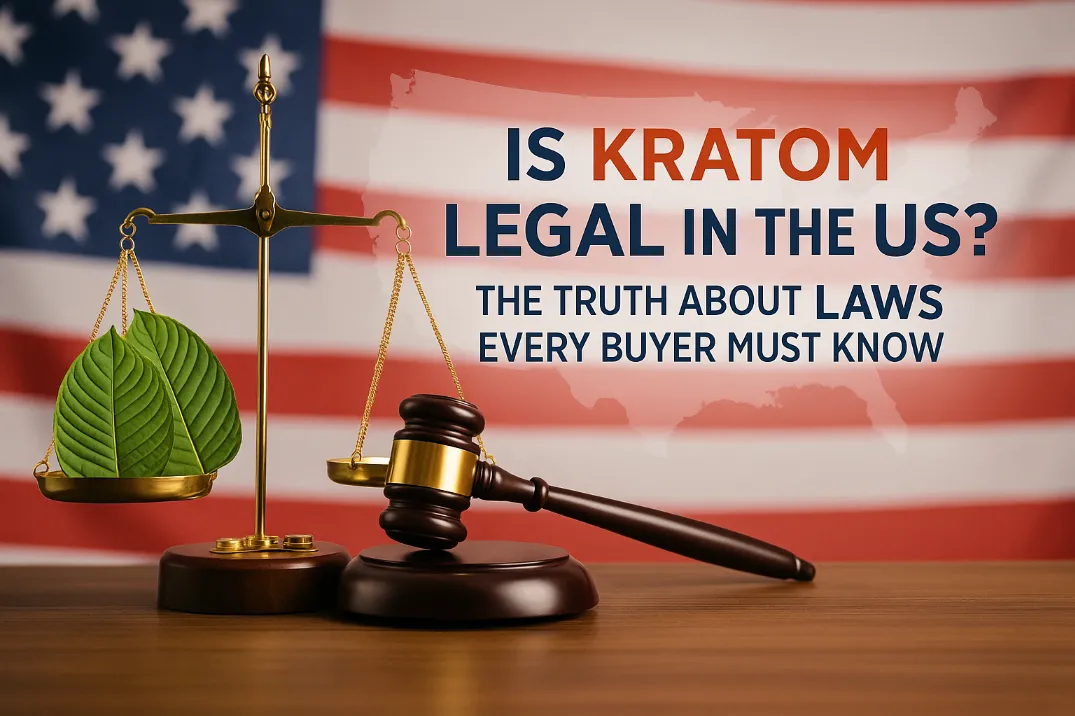
The legal landscape surrounding kratom continues to evolve rapidly across the United States, leaving millions of users and potential consumers confused about where they stand. With federal agencies maintaining an uncertain stance while individual states craft their own regulations, understanding kratom’s legal status has become more complex than ever before.
• Federal level: Kratom remains federally unscheduled but faces ongoing scrutiny from the DEA and FDA • State variations: Legal status varies dramatically by state, with some banning it completely while others regulate it like dietary supplements • Age restrictions: Many states that allow kratom impose minimum age requirements of 18 or 21 years • Local ordinances: Cities and counties can impose additional restrictions even in states where kratom is legal • Regulatory trends: The Kratom Consumer Protection Act is gaining momentum in multiple states to establish quality standards
Understanding Kratom’s Federal Legal Framework
At the federal level, is kratom legal in USA depends on which agency you ask. The Drug Enforcement Administration (DEA) has not classified kratom as a controlled substance, meaning it technically remains legal under federal law. However, this status exists in a gray area that creates uncertainty for consumers, vendors, and researchers alike.
The Food and Drug Administration (FDA) has taken a more aggressive stance against kratom. Since 2012, the FDA has issued multiple warnings about kratom products, citing concerns about safety, quality control, and potential health risks. The agency has also sent warning letters to kratom vendors making unsubstantiated health claims about their products.
DEA’s Evolving Position on Kratom
The DEA’s relationship with kratom has been tumultuous. In 2016, the agency announced plans to place kratom’s active compounds, mitragynine and 7-hydroxymitragynine, on Schedule I of the Controlled Substances Act. This decision sparked massive public outcry, with over 140,000 comments submitted during the public comment period.
Following this unprecedented response, the DEA withdrew its intent to schedule kratom and instead requested a scientific review from the FDA. This review process remains ongoing, creating continued uncertainty about kratom’s future federal status.
FDA Concerns and Import Alerts
The FDA has implemented several measures to restrict kratom’s availability:
- Import Alert 54-15: Allows FDA to detain kratom shipments without physical examination
- Seizure actions: Multiple large-scale kratom seizures at ports of entry
- Vendor enforcement: Warning letters to companies making medical claims about kratom
These actions significantly impact the kratom supply chain, even though the substance remains technically legal at the federal level.
State-by-State Legal Variations
The question is kratom legal in USA becomes more complex when examining state-level regulations. Currently, kratom’s legal status varies significantly across the 50 states, with some embracing regulation while others have implemented complete bans.
States Where Kratom Is Completely Banned
As of early 2025, six states have completely prohibited kratom possession, sale, and distribution:
- Alabama: Banned since 2016
- Arkansas: Prohibited under controlled substance laws
- Indiana: Classified as synthetic drug
- Rhode Island: Banned for all uses
- Vermont: Prohibited since 2017
- Wisconsin: Classified as controlled substance
In these states, kratom possession can result in criminal charges ranging from misdemeanors to felonies, depending on the quantity and circumstances.
States with Age Restrictions and Regulations
Many states have chosen to regulate rather than ban kratom entirely. These regulations typically include:
Age Restrictions: Most regulated states require purchasers to be at least 18 years old, with some setting the minimum age at 21.
Labeling Requirements: Products must include ingredient lists, warnings, and contact information for manufacturers.
Testing Standards: Some states require third-party testing for contaminants, heavy metals, and active alkaloid content.
Vendor Licensing: Certain jurisdictions require kratom vendors to obtain specific licenses or permits.
The Kratom Consumer Protection Act Movement
The Kratom Consumer Protection Act (KCPA) represents a significant development in kratom regulation. This model legislation aims to create consistent standards across states while keeping kratom legal and accessible.
Key provisions of the KCPA include:
- Minimum age requirements (typically 18+)
- Mandatory product testing and labeling
- Prohibition of adulterated products
- Penalties for non-compliance
- Consumer protection measures
States that have passed versions of the KCPA include Nevada, Utah, Georgia, Arizona, and others, with more considering similar legislation.
🗺️ Kratom Legal Status Checker
Local Jurisdictions and Municipal Laws
Even in states where is kratom legal in USA at the state level, local governments can impose additional restrictions. Cities, counties, and municipalities have the authority to create their own ordinances governing kratom sales and possession within their boundaries.
Notable Local Restrictions
California: While legal statewide, San Diego County has banned kratom sales and possession.
Florida: Several counties including Sarasota and Manatee have implemented local bans despite statewide legality.
Colorado: Some municipalities have imposed restrictions on kratom sales, particularly regarding age limits and vendor licensing.
Illinois: Various cities have enacted local ordinances restricting kratom availability.
These local variations make it essential for consumers to research not just state laws but also city and county regulations in their specific area.
Federal Agency Actions and Their Impact
Jack Botanicals - America's Trusted Kratom Source
AKA certified quality featuring Red Maeng Da, Red Bali, and Green Maeng Da. Lab-tested purity you can trust.
🎁 NEW CUSTOMER SPECIAL
JACK30 = 30% OFF

Understanding is kratom legal in USA requires examining how federal agencies continue to influence kratom’s availability despite its unscheduled status.
FDA Enforcement Actions
The FDA has taken several significant enforcement actions against the kratom industry:
Product Seizures: The agency has seized millions of dollars worth of kratom products at ports of entry, citing adulteration and misbranding concerns.
Warning Letters: Over 30 warning letters have been sent to kratom companies for making unauthorized health claims.
Import Alerts: FDA’s Import Alert 54-15 allows automatic detention of kratom shipments without physical examination.
International Pressure and Scheduling Reviews
The World Health Organization (WHO) has conducted reviews of kratom’s safety profile, with some countries pushing for international scheduling. This international pressure influences U.S. policy discussions about kratom’s future legal status.
The United Nations Office on Drugs and Crime continues to monitor kratom use globally, which could impact future U.S. regulatory decisions.
Quality Control and Safety Considerations
As the legal landscape evolves, quality control has become a central issue in kratom regulation. States implementing the KCPA focus heavily on ensuring product safety through mandatory testing requirements.
Common Testing Standards
Heavy Metals: Testing for lead, mercury, cadmium, and arsenic contamination
Microbials: Screening for harmful bacteria, yeast, mold, and pathogens
Alkaloid Content: Verification of mitragynine and 7-hydroxymitragynine levels
Adulterants: Detection of synthetic compounds or other added substances
These testing requirements help address FDA safety concerns while maintaining legal access to kratom products. For consumers interested in learning more about how long does it take to get addicted to kratom, understanding product quality becomes even more important.
The Role of Advocacy Organizations
Several organizations play crucial roles in shaping kratom’s legal future:
American Kratom Association (AKA)
The AKA has become the primary advocacy organization for kratom consumers and vendors. Their efforts include:
- Legislative lobbying: Working with state legislators to pass KCPA legislation
- Public education: Providing resources about kratom safety and benefits
- Industry standards: Developing Good Manufacturing Practice (GMP) standards
- Legal defense: Supporting legal challenges to kratom bans
Botanical Education Alliance
This organization focuses on protecting access to botanical supplements, including kratom, through education and advocacy efforts.
Economic Impact of Kratom Regulations
The kratom industry represents a significant economic force, with annual sales estimated in the hundreds of millions of dollars. Legal uncertainty creates challenges for:
Vendors: Difficulty obtaining banking services, payment processing, and insurance
Consumers: Limited access to tested, quality products in banned states
Researchers: Restricted ability to conduct clinical studies on kratom’s effects
Tax Revenue: States lose potential tax income from regulated kratom sales
For those researching vendors, reviews like Front Range Kratom vendor review provide insights into quality and reliability in the current market.
Medical and Scientific Research Challenges

The legal gray area surrounding kratom significantly impacts scientific research. Federal agencies’ cautious stance makes it difficult for researchers to obtain funding and conduct comprehensive studies on kratom’s effects and safety profile.
Research Limitations
Funding Restrictions: Federal research grants rarely support kratom studies due to regulatory uncertainty
Clinical Trial Barriers: FDA approval for human studies remains challenging to obtain
Academic Hesitation: Universities often avoid kratom research due to potential legal complications
Data Gaps: Limited clinical data makes it difficult to establish evidence-based policies
These research limitations perpetuate the cycle of regulatory uncertainty, as agencies cite lack of safety data while simultaneously restricting the research needed to generate that data.
Interstate Commerce and Banking Issues
The complex legal status creates significant challenges for kratom businesses operating across state lines. Companies must navigate a patchwork of different regulations while dealing with banking and payment processing difficulties.
Business Challenges
Banking Services: Many banks refuse to work with kratom businesses due to regulatory uncertainty
Payment Processing: Credit card companies often classify kratom as high-risk, limiting payment options
Shipping Restrictions: Carriers may refuse to transport kratom to certain states or localities
Insurance Coverage: Obtaining business insurance becomes difficult due to legal uncertainties
These challenges particularly impact smaller vendors and can limit consumer access to quality products. Understanding where to buy kratom Jersey City easily becomes important for consumers in regulated markets.
Consumer Rights and Legal Protections
Understanding consumer rights becomes crucial as the legal landscape evolves. In regulated states, consumers typically have protections regarding:
Product Quality: Rights to properly tested and labeled products
Age Verification: Clear guidelines about legal purchase age
Refund Policies: Protections against adulterated or mislabeled products
Privacy Rights: Protections regarding personal information and purchase records
Different Kratom Strains and Legal Considerations

The legal status generally applies to all kratom varieties, but understanding different strains helps consumers make informed decisions in legal markets. Popular varieties include Green Sumatra kratom effects and what is Bali kratom explained, each with distinct characteristics.
Strain-Specific Considerations
Green Strains: Often preferred for balanced effects, legal wherever kratom is permitted
Red Strains: Popular for evening use, subject to same legal restrictions as other varieties
White Strains: Energizing varieties, regulated under general kratom laws
Gold/Yellow Strains: Specialty varieties like Gold Bentuangie kratom benefits fall under standard kratom regulations
Understanding strain differences helps consumers make informed choices while staying within legal boundaries. For comprehensive strain information, many turn to resources about Green Maeng Da kratom and other popular varieties.
Legal Purchasing Guidelines
For consumers in legal jurisdictions, following proper purchasing guidelines ensures compliance with local laws:
Best Practices
Age Verification: Always provide valid ID when purchasing kratom
Reputable Vendors: Choose vendors who follow testing and labeling requirements
Local Laws: Research city and county ordinances in addition to state laws
Product Labels: Verify products meet local labeling requirements
Quantity Limits: Be aware of any possession limits in your jurisdiction
Many consumers research what is the best place to buy kratom online today to find compliant vendors in their area.
State-Specific Legal Updates
Kratom laws continue evolving rapidly across different states. Recent developments include:
Recent Legislative Changes
Kentucky: Recent updates to kratom regulations affect availability – kratom legal in Kentucky updates provide current information
Florida: Ongoing discussions about statewide regulation while maintaining legal access
Texas: Continued legal status with growing vendor presence like Florida rooted kratom vendor pure strains
New York: Maintaining legal status while monitoring federal developments
These updates demonstrate the dynamic nature of kratom regulation across the United States.
Is Kratom Legal In USA – FaQs
What is the legal status of kratom in the USA?
Kratom is legal at the federal level in the United States, meaning there is no nationwide ban. However, some states and local jurisdictions have restrictions or bans, so legality can vary depending on your location.
Which states have banned kratom?
- Alabama
- Arkansas
- Indiana
- Rhode Island
- Tennessee
- Vermont
Is kratom regulated by the FDA?
The U.S. Food and Drug Administration (FDA) has not approved kratom as a dietary supplement or medicine. They have issued warnings and monitored safety concerns, but there is no federal scheduling of kratom as a controlled substance.
Are there local restrictions even if a state allows kratom?
Yes, even in states where kratom is legal, cities and counties may have their own rules. Local ordinances could restrict sales, distribution, or public use. Checking municipal regulations is recommended before purchasing or possessing kratom.
Can I travel with kratom within the USA?
- Travel is allowed in states where kratom is legal
- Air travel may require checking TSA policies
- Be aware of local and state restrictions
- Transporting to banned states is not recommended
Are there age restrictions for kratom?
Many states and local jurisdictions require users to be at least 18 or 21 years old to purchase kratom. Age requirements vary by state and city, so it is important to confirm local rules.
Is kratom considered a controlled substance?
Kratom is not federally classified as a controlled substance in the U.S. Some states, however, have listed kratom as a controlled substance, which makes possession, sale, or use illegal in those regions.
Where can I check the latest kratom legality?
- State government websites
- Local city or county ordinances
- Kratom advocacy organizations
- Legal news sources
Are there ongoing efforts to regulate kratom?
Yes, advocacy groups and regulatory agencies continue to monitor kratom. Efforts include proposing age limits, labeling requirements, and safety regulations, but federal legality remains unchanged.
What should I do if kratom is banned in my state?
If kratom is banned locally, it is illegal to purchase, possess, or distribute. Users should follow local laws, and consider alternative legal options. Always verify current regulations, as rules can change over time.
Conclusion
The question is kratom legal in USA doesn’t have a simple answer due to the complex interplay between federal uncertainty and varying state regulations. While kratom remains federally unscheduled, the FDA and DEA continue to scrutinize its safety and legal status. Meanwhile, states have taken dramatically different approaches, from complete bans to comprehensive regulatory frameworks.
Olivia is a writer who enjoys diving into the rich traditions surrounding plants and their place in everyday life. With an academic background in cultural studies and environmental history, she seeks to uncover stories that show the connection between nature and human resilience. Olivia’s perspective is rooted in curiosity and storytelling rather than instruction, encouraging readers to reflect on the timeless relationship people share with the natural world.