Premium Kratom - AKA Certified Quality
Red Maeng Da • Red Bali • Green Maeng Da - All lab-tested for purity
💰 EXCLUSIVE DISCOUNT
Code: JACK30 = 30% OFF
The legal landscape surrounding kratom remains one of the most confusing aspects for millions of Americans seeking natural wellness alternatives. While some states embrace this Southeast Asian botanical with open arms, others have banned it entirely, creating a patchwork of regulations that can leave consumers scratching their heads and potentially breaking laws they didn’t even know existed.
• Federal Status: Kratom remains federally unregulated, meaning the FDA has not approved it as a dietary supplement, but it’s not classified as a controlled substance • State Variations: Six states have completely banned kratom, while others have implemented age restrictions or specific regulations • Ongoing Changes: State laws continue to evolve, with new legislation introduced regularly that can change kratom’s legal status • Local Ordinances: Even in legal states, cities and counties may have their own restrictions on kratom sales and possession • Quality Concerns: Legal status doesn’t guarantee product safety, making vendor selection crucial for consumer protection
Understanding Federal Kratom Regulations
At the federal level, the question “Is kratom legal?” doesn’t have a straightforward answer. The Drug Enforcement Administration (DEA) has not classified kratom (Mitragyna speciosa) as a controlled substance, which means it exists in a legal gray area. However, this doesn’t mean kratom enjoys the same regulatory protections as other dietary supplements.
The Food and Drug Administration (FDA) has taken a cautious stance on kratom, issuing several warning letters to vendors and expressing concerns about its safety profile. The agency has not approved kratom for any medical use and continues to monitor its effects on public health.
FDA’s Position on Kratom
The FDA’s approach to kratom regulation focuses on several key areas:
- Safety Concerns: The agency has linked kratom to numerous adverse events and potential drug interactions
- Marketing Claims: Companies making unsubstantiated health claims about kratom face regulatory action
- Import Alerts: The FDA has issued import alerts for certain kratom products, particularly those contaminated with harmful substances
- Research Initiatives: Federal agencies continue studying kratom’s pharmacological properties and potential therapeutic applications
State-by-State Kratom Legal Status
The complexity of answering “Kratom legal?” becomes even more apparent when examining state-level regulations. Each state has approached kratom differently, creating a diverse regulatory landscape that changes frequently.
States Where Kratom Is Completely Banned
Currently, six states have implemented complete bans on kratom possession, sale, and distribution:
Alabama – Kratom has been classified as a controlled substance since 2016, with possession potentially resulting in criminal charges.
Arkansas – The state banned kratom in 2016, treating it similarly to other controlled substances under state law.
Indiana – Kratom became illegal in 2014, making it one of the first states to implement a comprehensive ban.
Rhode Island – The state prohibited kratom in 2017, citing public health concerns and potential for abuse.
Vermont – Kratom was banned in 2016, with lawmakers expressing concerns about its safety profile.
Wisconsin – The state classified kratom as a controlled substance in 2014, implementing strict penalties for possession and distribution.
States with Age Restrictions and Regulations
Several states have chosen to regulate rather than ban kratom entirely, implementing age restrictions and quality control measures:
Nevada – Requires vendors to be licensed and restricts sales to individuals 18 and older. Learn more about kratom regulations in Las Vegas.
Utah – Implemented the Kratom Consumer Protection Act, establishing manufacturing standards and age restrictions.
Georgia – Restricts kratom sales to individuals 18 and older while allowing regulated distribution.
Arizona – Passed kratom protection legislation that sets quality standards and age requirements.
States with Full Legal Status
The majority of states currently allow kratom possession and sale without specific restrictions, though this can change through new legislation. However, consumers should note that finding quality kratom products remains important regardless of legal status.
Local Ordinances and Municipal Regulations
Even in states where kratom enjoys legal status, local governments may implement their own restrictions. Cities and counties across the country have passed ordinances that can significantly impact kratom availability.
Examples of Local Restrictions
- San Diego, California – Banned kratom sales within city limits despite California’s permissive state laws
- Sarasota County, Florida – Implemented age restrictions stricter than state requirements
- Denver, Colorado – Considered but ultimately rejected proposed kratom restrictions after public input
When considering “Is kratom legal?” in your area, checking both state and local regulations becomes essential for compliance.
The Kratom Consumer Protection Act Movement
A growing number of states have adopted or considered the Kratom Consumer Protection Act (KCPA), which aims to regulate rather than ban kratom. This model legislation focuses on consumer safety while preserving access to kratom products.
Key Provisions of KCPA Legislation
The KCPA typically includes several important consumer protections:
Age Restrictions – Limiting kratom sales to adults 18 or 21 and older, depending on the state’s implementation.
Manufacturing Standards – Requiring good manufacturing practices (GMP) compliance for kratom processors and distributors.
Product Testing – Mandating testing for contaminants, heavy metals, and adulterants that could harm consumers.
Labeling Requirements – Ensuring products contain accurate information about contents, dosage recommendations, and potential risks.
Registration Systems – Requiring kratom businesses to register with state authorities and maintain compliance records.
Federal Agencies and Kratom Oversight
Jack Botanicals - America's Trusted Kratom Source
AKA certified quality featuring Red Maeng Da, Red Bali, and Green Maeng Da. Lab-tested purity you can trust.
🎁 NEW CUSTOMER SPECIAL
JACK30 = 30% OFF
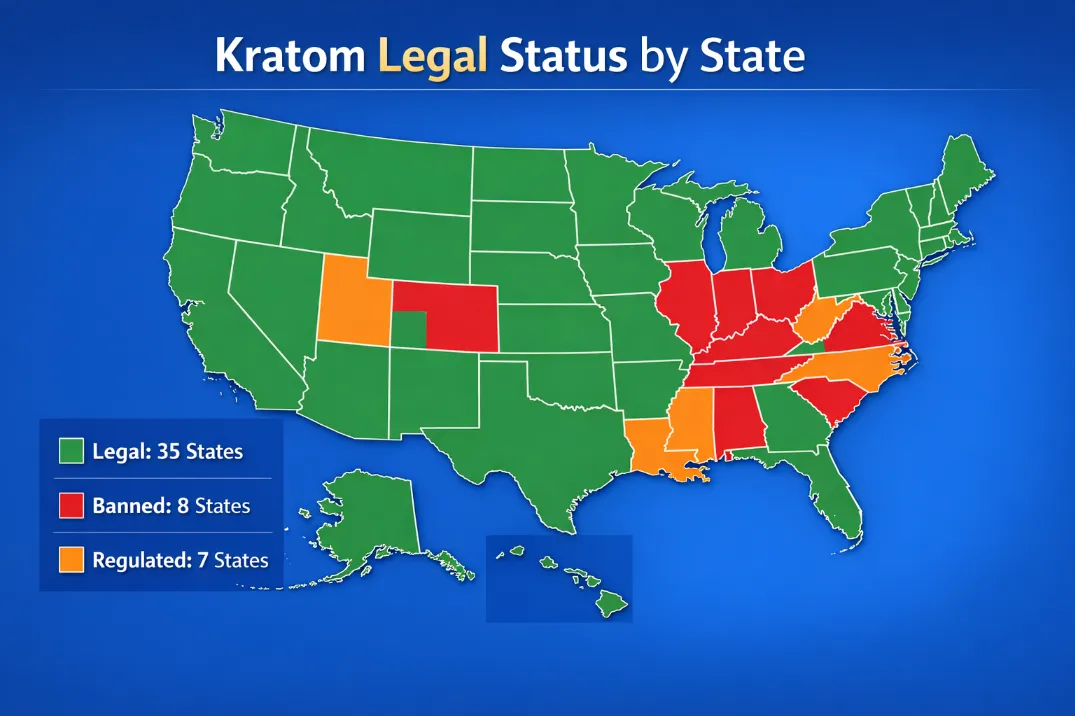
Multiple federal agencies play roles in kratom regulation and oversight, each bringing different perspectives to the “Kratom legal?” question.
Drug Enforcement Administration (DEA)
The DEA has considered scheduling kratom as a controlled substance but has not taken final action. The agency continues monitoring kratom-related incidents and evaluating its potential for abuse and dependence.
National Institute on Drug Abuse (NIDA)
NIDA funds research into kratom’s effects, potential therapeutic applications, and abuse liability. This research informs policy decisions and regulatory approaches.
Centers for Disease Control and Prevention (CDC)
The CDC tracks kratom-related adverse events and deaths, providing data that influences regulatory discussions and public health recommendations.
Quality and Safety Considerations
Regardless of legal status, kratom quality remains a critical concern for consumers. The lack of federal oversight means buyers must carefully evaluate vendors and products.
Identifying Quality Kratom Vendors
When kratom is legal in your area, selecting reputable vendors becomes paramount. Trusted kratom sources typically provide:
- Third-party lab testing results for contaminants and alkaloid content
- Transparent sourcing information about kratom origins and processing
- Proper labeling with accurate product descriptions and safety information
- Customer service that can answer questions about products and usage
- Compliance records showing adherence to applicable regulations
Understanding Kratom Strains and Effects
Different kratom varieties offer varying effects, making education important for safe use. White Sumatra kratom and Red Sumatra kratom represent just two examples of the diverse options available in legal markets.
🌿 Kratom Legal Status Checker
Potential Legal Changes on the Horizon
The kratom legal landscape continues evolving, with several factors potentially influencing future regulations.
Federal Legislation Proposals
Congress has considered various bills that could impact kratom’s federal status, including:
- Research authorization bills that would fund comprehensive kratom studies
- Scheduling proposals that could classify kratom as a controlled substance
- Consumer protection legislation similar to state KCPA models
State-Level Trends
Several trends are emerging in state kratom legislation:
- Increased regulation rather than outright bans
- Quality control requirements becoming more common
- Age restrictions being implemented in previously unregulated states
- Municipal preemption clauses preventing local bans in some states
Kratom in Specific Regions
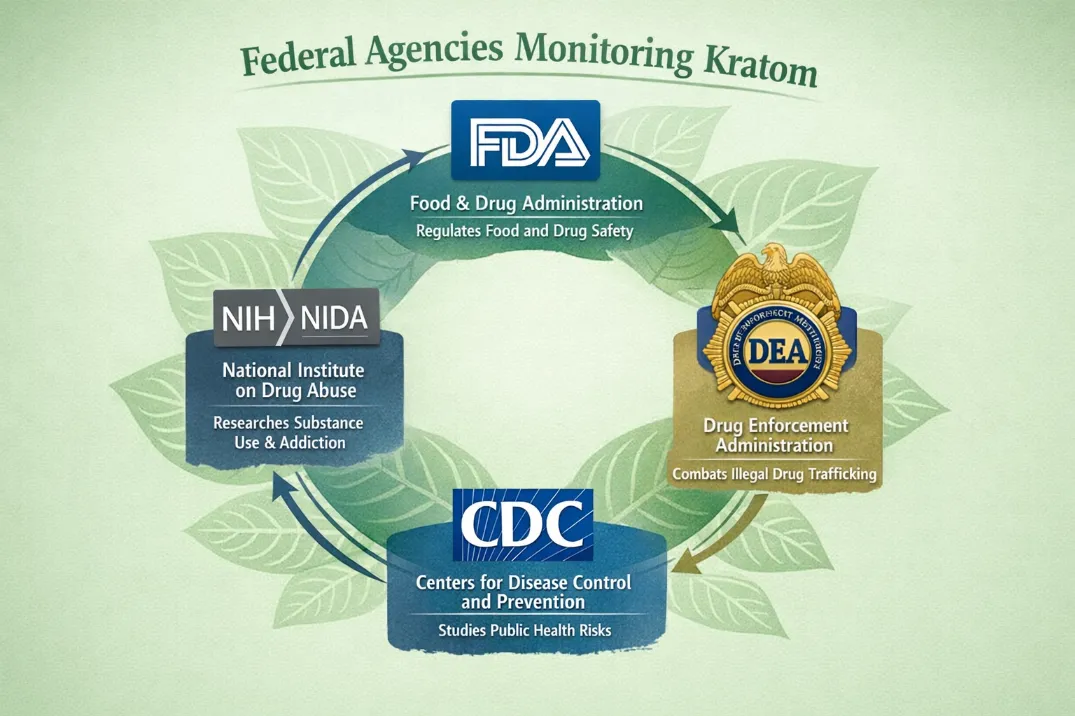
Regional variations in kratom legality create unique challenges for consumers and businesses. Understanding these differences helps answer the “Kratom legal?” question for specific locations.
Northeast Region Challenges
States like Nebraska have specific considerations that affect kratom availability and legal status. The region shows mixed approaches to regulation, with some states embracing regulation while others maintain restrictive policies.
Urban vs. Rural Considerations
Metropolitan areas often have different kratom availability than rural regions. Finding kratom in major cities like New York requires understanding both state and local regulations that may impact retail availability.
Health and Safety Monitoring
Understanding kratom’s safety profile remains important regardless of legal status. Addiction potential represents one concern that influences regulatory discussions and personal use decisions.
Monitoring Your Kratom Use
Responsible kratom use includes:
- Regular breaks to prevent tolerance development
- Dosage tracking to maintain consistent effects
- Health monitoring for any adverse reactions
- Professional consultation when using kratom alongside medications
According to the American Kratom Association, millions of Americans use kratom safely when following proper guidelines and purchasing from reputable sources.
Navigating Kratom Legality as a Consumer
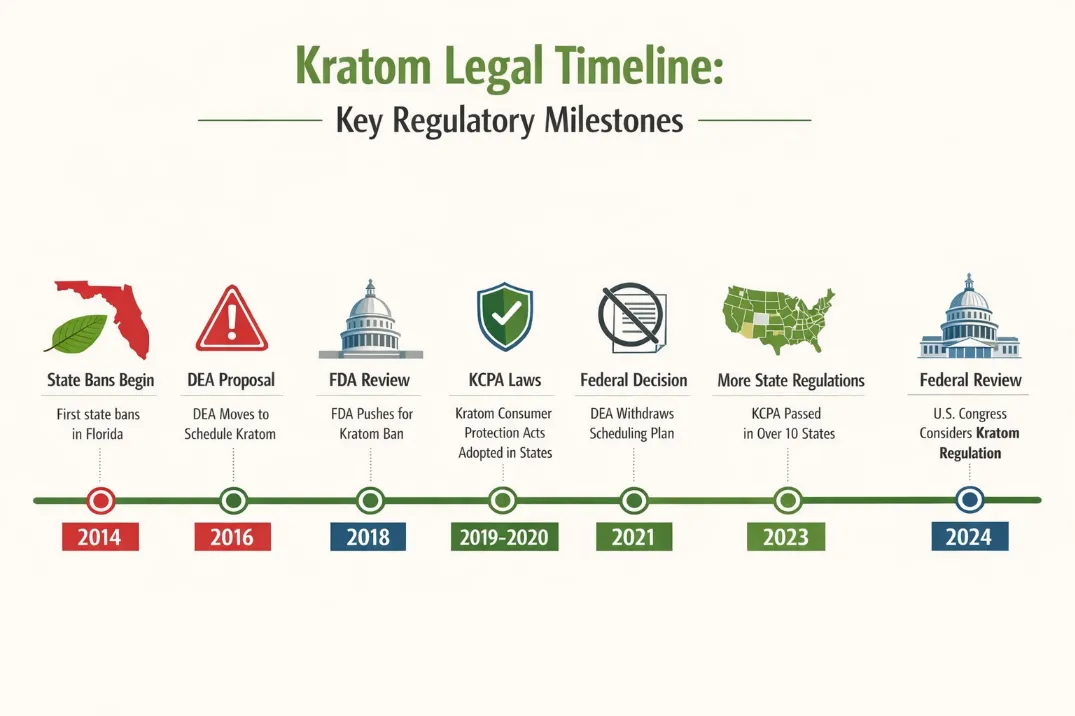
For consumers wondering “Is kratom legal?” in their area, taking a proactive approach to understanding regulations helps ensure compliance and safety.
Steps for Staying Compliant
- Research current laws in your state and local jurisdiction
- Monitor legislative changes through reliable news sources and advocacy organizations
- Choose reputable vendors that comply with applicable regulations
- Understand product labeling requirements in your area
- Stay informed about federal developments that could impact state laws
Travel Considerations
Kratom legality becomes particularly complex when traveling between states with different regulations. Consumers should research destination laws before traveling with kratom products to avoid potential legal issues.
Economic Impact of Kratom Regulation
The economic implications of kratom legality extend beyond individual consumers to include businesses, tax revenue, and employment opportunities in affected states.
Business and Employment Effects
States with legal kratom markets support:
- Retail businesses specializing in kratom and botanical products
- Distribution networks connecting importers with local retailers
- Testing laboratories providing quality assurance services
- Agricultural research into domestic kratom cultivation possibilities
Tax Revenue Considerations
Some states have implemented specific taxes on kratom products, generating revenue while maintaining legal access. These tax structures often mirror those applied to other regulated botanical products.
Kratom Legal? – FaQs
Is kratom legal in the United States?
Kratom is legal at the federal level in the United States, but certain states and cities have banned or restricted its sale and use. Local regulations vary, so it is important to check laws in your specific area before purchasing or using kratom.
Which states have banned kratom?
- Alabama, Arkansas, Indiana, Rhode Island, Vermont, and Wisconsin have statewide bans.
- Some cities within other states may also have local restrictions.
- Regulations can change, so local verification is recommended.
Is kratom legal in Europe?
Kratom legality varies across Europe. Some countries have banned it, including Denmark, Finland, and Sweden. Others may allow sale under strict regulations or as a supplement. Always check country-specific laws before importing or using kratom.
Can kratom be legally shipped internationally?
- International shipping depends on the destination country’s regulations.
- Banned countries may confiscate shipments or impose penalties.
- It is the sender’s responsibility to comply with local laws.
Is kratom legal in Canada?
Kratom is legal to possess in Canada but is not authorized for sale as a consumable product. Importing or selling kratom as a supplement may be restricted. Laws are subject to change, so confirm with local authorities before purchasing.
Does kratom have age restrictions?
Many regions require users to be 18 or older to purchase kratom. Some states or localities may impose stricter age limits. Always check local regulations to ensure compliance with age restrictions.
Are there regulations on kratom labeling?
- Labeling requirements vary by country or state.
- Some areas require warnings or ingredient listings.
- Regulations aim to ensure consumer safety and transparency.
Can kratom legality change over time?
Yes, kratom laws can change as new legislation is introduced. Both state and federal authorities may update restrictions. Users should stay informed about current regulations to remain compliant.
How can I verify if kratom is legal in my area?
Check official government websites, local health departments, or regulatory agencies. Contacting local authorities directly can also confirm current legal status and any restrictions that apply.
Does legality affect kratom quality or sale?
Legal status can influence availability, sourcing, and labeling standards. In restricted areas, kratom may be harder to find and may not meet regulatory oversight. Legal regions may offer more standardized products and transparent vendors.
Are there legal consequences for possessing kratom where it is banned?
Yes, possession, sale, or distribution of kratom in banned areas can lead to fines, confiscation, or other legal penalties. Local law enforcement determines enforcement, so staying informed is critical.
Does kratom legality vary by product form?
- Leaf, powder, capsules, and extracts may be regulated differently.
- Some countries allow possession of leaves but restrict extracts.
- Always verify regulations specific to the kratom form you intend to use.
Conclusion
The question “Kratom legal?” requires a nuanced understanding of federal, state, and local regulations that continue evolving across the United States. While kratom remains federally unregulated, the patchwork of state laws creates a complex legal landscape that demands careful navigation by consumers and businesses alike.
Currently, six states maintain complete kratom bans, while others have implemented age restrictions and quality control measures through Kratom Consumer Protection Acts. The majority of states allow kratom possession and sale, though local ordinances may impose additional restrictions even in permissive states.
Jonathan is an enthusiast of traditional plant practices and cultural history. His work reflects a genuine fascination with how nature has shaped human stories throughout time. Jonathan believes that sharing knowledge about plants can build connections across cultures and generations. Through careful research and respectful exploration, he hopes to provide readers with thoughtful perspectives that celebrate heritage, encourage curiosity, and inspire a greater awareness of our relationship with nature.